

How to Improve Hearing
Meta Title: How to Improve Hearing: Natural Tips & Ear Health Guide
Meta Description: Learn how to improve hearing naturally with proven ear health tips, exercises, and lifestyle changes. Protect your ears and boost hearing today.
URL Slug: /how-to-improve-hearing
How to Improve Hearing: A Complete Guide to Stronger Ear Health
Millions of people search every year for ways to protect their ears and understand how to improve hearing before problems become permanent. Whether you have noticed muffled sounds, ringing in your
ears, or simply want to safeguard your ear health for the future, small daily habits can make a real difference. This guide walks through the causes of hearing decline, natural strategies to support your ears, and when it is time to seek professional help for hearing loss
Improving your hearing is not just about volume — it is about protecting the delicate structures inside your ear, reducing inflammation, and supporting the nerves that carry sound to your brain. Below you will find a complete, practical roadmap covering diet, exercise, noise protection, medical options, and long-term prevention.
What Affects Your Hearing Health
Before learning how to improve hearing, it helps to understand what damages it in the first place. Hearing loss rarely happens overnight; it usually builds up gradually from a combination of age, environment, and lifestyle factors.
Age-Related Hearing Loss (Presbycusis)
As people age, the tiny hair cells inside the inner ear naturally wear down. This condition, known as presbycusis, is one of the most common causes of gradual hearing loss and typically affects both ears equally. It often starts with difficulty hearing high-pitched sounds or following conversations in noisy rooms.
Noise-Induced Hearing Loss
Repeated exposure to loud environments — concerts, machinery, headphones at high volume — can permanently damage the sensory cells in the cochlea. This type of damage is one of the most preventable causes of poor ear health, yet it remains one of the most common worldwide.
Earwax Buildup and Blockages
Sometimes the issue isn’t nerve damage at all. Excess earwax, fluid buildup, or blockages can muffle sound and create a false sense of hearing decline. This is often reversible with proper ear cleaning or a visit to a healthcare provider.
Signs You May Need to Improve Your Hearing
Recognizing early symptoms is the first step toward protecting your hearing before the damage becomes permanent.
Common Symptoms of Hearing Loss
Typical warning signs include asking people to repeat themselves often, turning up the television volume beyond what others find comfortable, difficulty understanding speech in crowded places, and a persistent
ringing or buzzing sound known as tinnitus. These symptoms can appear gradually, which is why many people underestimate how much their hearing has changed over time.
When to See an Audiologist
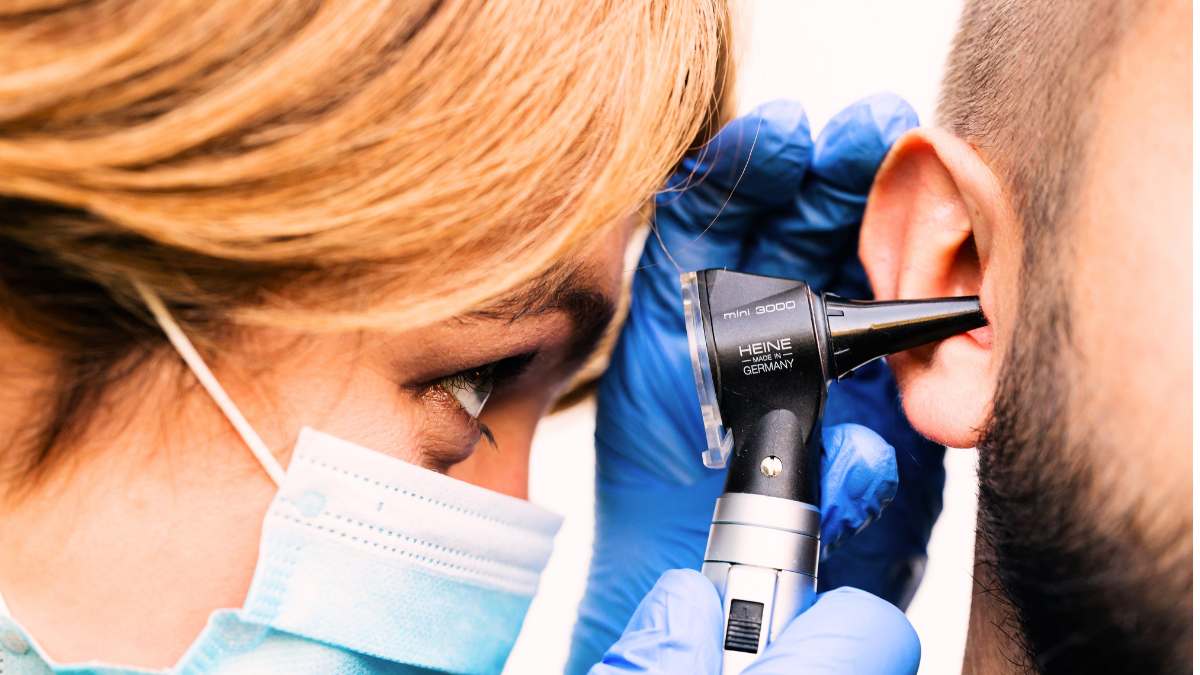
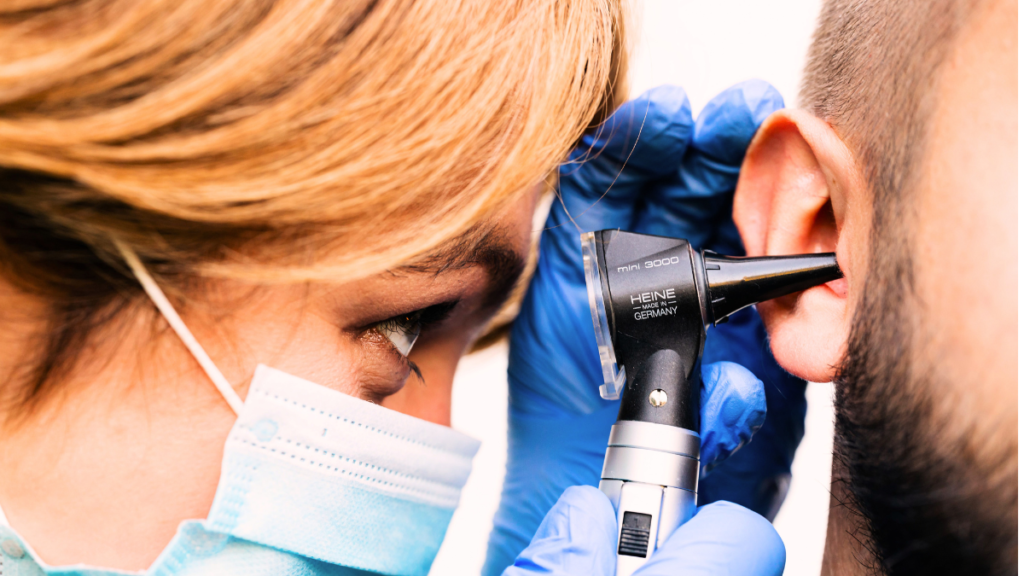
If symptoms persist for more than a few weeks, or if hearing loss happens suddenly in one ear, it is important to schedule a hearing test with an audiologist. Sudden hearing loss can sometimes be treated effectively if addressed quickly, so early evaluation matters.
How to Improve Hearing Naturally
For many people, especially those with mild or early-stage changes, there are natural strategies that support the ears and may help preserve remaining hearing capacity.
Ear Exercises for Better Hearing
Simple auditory exercises — such as focusing on isolating specific sounds in a noisy environment, or practicing sound-localization games — can help train the brain to process sound more efficiently. While exercises will not
reverse structural damage, they can improve how effectively the brain interprets the signals it receives, which is a meaningful part of learning how to improve hearing naturally
Foods That Support Hearing Health
Nutrition plays a bigger role in ear health than most people realize. Diets rich in potassium, magnesium, zinc, folic acid, and omega-3 fatty acids have been associated with better circulation to the inner ear and
reduced inflammation. Foods such as leafy greens, bananas, nuts, seeds, and fatty fish are commonly recommended as part of an ear-friendly diet.
Reducing Exposure to Loud Noises
One of the simplest and most effective ways to protect your ears is limiting exposure to loud noise. Lowering headphone volume, taking breaks in noisy environments, and using ear protection at concerts or job sites can significantly slow the progression of noise-induced hearing loss
Lifestyle Habits That Improve Hearing
Your overall health has a direct impact on how well your ears function, since the inner ear depends on healthy blood flow and nerve signaling.
Managing Stress and Blood Pressure
Chronic stress and high blood pressure can restrict blood flow to the inner ear, which may accelerate hearing decline over time. Practices like regular sleep, meditation, and stress management can indirectly support better hearing health
Quitting Smoking for Ear Health
Smoking reduces oxygen supply to the sensory cells in the cochlea. Studies have linked smoking to a higher risk of hearing loss, making quitting one of the most impactful lifestyle changes for long-term ear protection.
Regular Exercise and Circulation
Cardiovascular exercise improves blood circulation throughout the body, including the small blood vessels that supply the inner ear. Staying active is a simple, often overlooked strategy for supporting long-term hearing health
Medical and Technological Solutions
While lifestyle changes help, some cases of hearing loss require medical intervention or assistive technology.
Hearing Aids and Assistive Devices
Modern hearing aids are smaller, more discreet, and more effective than ever, using digital processing to amplify specific frequencies based on individual hearing loss patterns. For many people, hearing aids are the most effective way to restore clarity to everyday conversations.
Treating Underlying Conditions
Conditions such as ear infections, fluid buildup, or autoimmune inner ear disease can all contribute to hearing loss. Treating the underlying cause — sometimes with medication or minor procedures — can significantly improve hearing outcomes.
When Surgery May Be Necessary
In certain cases, such as otosclerosis or chronic ear infections, surgical procedures may be recommended to restore or preserve hearing function. An ear, nose, and throat (ENT) specialist can determine whether surgery is an appropriate option.
How to Protect Your Hearing Long-Term
Prevention is always more effective than treatment when it comes to preserving your hearing over a lifetime.
Using Ear Protection
Wearing earplugs or earmuffs in loud environments — including concerts, construction sites, and while using power tools — is one of the most effective ways to prevent long-term damage and protect your ear health
Safe Listening Habits with Headphones
Following the 60/60 rule — listening at no more than 60% volume for no more than 60 minutes at a time — can meaningfully reduce your risk of noise-induced hearing loss</u> from personal audio devices.
Routine Hearing Checkups
Just like vision, hearing should be tested regularly, especially after age 50 or for anyone regularly exposed to loud environments. A routine <u>hearing test can catch early changes before they become noticeable in daily life.
Tinnitus and Its Connection to Hearing Loss
Tinnitus, or ringing in the ears, is closely linked to hearing loss and is one of the most common reasons people begin researching how to improve hearing
What Causes Tinnitus
Tinnitus can result from noise exposure, age-related changes, earwax buildup, certain medications, or underlying health conditions. It is often a symptom rather than a standalone disease, which is why identifying the root cause matters.
Managing Tinnitus Symptoms
While there is no universal cure, many people find relief through sound therapy, stress reduction, hearing aids with tinnitus-masking features, and avoiding known triggers such as caffeine or loud environments.
Common Myths About Hearing Improvement
Several misconceptions persist around hearing loss and ear health. One common myth is that hearing aids make hearing worse over time — in reality, untreated hearing loss is what accelerates cognitive and auditory
decline, not the devices themselves. Another myth is that hearing loss only affects older adults, when in fact noise-induced damage increasingly affects younger people due to headphone use. Finally, many believe
hearing loss cannot be prevented, when in truth a significant portion of cases are avoidable through proper ear protection and healthy lifestyle habits.
Frequently Asked Questions
Can hearing loss be reversed naturally? In most cases, permanent nerve damage cannot be reversed. However, hearing loss caused by earwax buildup or fluid retention is often fully treatable.
How long does it take to notice improvement in hearing habits? Lifestyle changes such as reducing noise exposure and improving diet may take weeks to months to show noticeable benefits, depending on the underlying cause.
Are hearing exercises actually effective? Auditory training exercises won’t restore damaged hair cells, but they can improve how the brain processes and interprets sound, which many people experience as clearer hearing.
What is the best age to start protecting your hearing? There is no “too early” — protecting your ears from loud noise should begin in childhood and continue throughout life.
Does diet really affect hearing health? Yes. Nutrients like omega-3 fatty acids, magnesium, and antioxidants support blood flow to the inner ear and may help reduce the risk of age-related hearing decline.
When should I see a doctor about hearing loss? If you experience sudden hearing loss, persistent tinnitus, or difficulty understanding speech that affects daily life, schedule an evaluation with an audiologist or ENT specialist as soon as possible.
Conclusion
Understanding how to improve hearing starts with recognizing the everyday habits that either protect or damage your ears. From reducing noise exposure and eating an ear-friendly diet to using proper protection and
scheduling regular hearing tests, small consistent choices add up to meaningful long-term benefits for your hearing health. If you are noticing changes in your hearing, don’t wait — schedule a hearing evaluation with a licensed audiologist to get a personalized plan for protecting your ears for years to come.
Suggested internal links: link to related articles on “best foods for ear health,” “signs you need a hearing test,” and “how hearing aids work.”
Suggested external links: link to a reputable health organization’s page on hearing loss prevention (e.g., WHO or a national institute of health).
Suggested image ALT text:
- “person getting a hearing test at an audiologist”
- “foods that support ear health and hearing”
- “person wearing earplugs to protect hearing at a concert”