

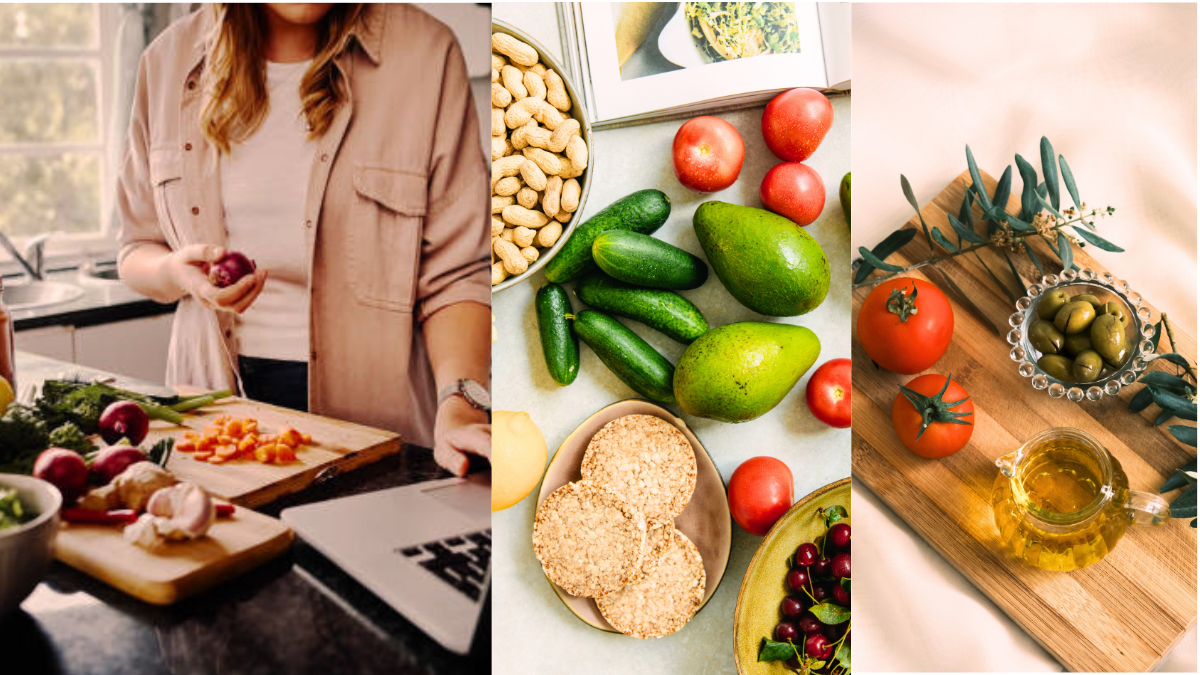
5 Healthy Weight Loss Recipes
5 Healthy Weight Loss Recipes Without Suffering
If you’ve ever tried to lose weight and felt hungry, tired, and miserable within a week, you’re not alone. The good news is that healthy weight loss recipes without suffering do exist, and they don’t require giving up flavor, satisfaction, or your favorite foods entirely.
In this guide, you’ll find five simple, nutrient-packed recipes designed to help you shed pounds gradually and sustainably. We’ll also cover the science behind sustainable weight loss, common mistakes to avoid, and practical tips to help these meals fit into your everyday life — without any extreme dieting or restrictive rules.
Whether you’re just starting your weight loss journey or looking for fresh ideas to keep things interesting, these recipes are built around whole foods, balanced macronutrients, and portions that actually keep you full.
Why Healthy Weight Loss Recipes Without Suffering Actually Work
Losing weight doesn’t have to mean starving yourself or eating bland, boring food. The key is choosing meals that are satisfying, nutrient-dense, and easy to stick with long-term.
The Problem With Restrictive Diets
Most crash diets fail because they’re too extreme to maintain. Cutting calories too aggressively triggers hunger hormones, cravings, and eventually binge eating.
Studies consistently show that people who follow highly restrictive plans tend to regain the weight within a year or two. A more balanced approach, built on real food and reasonable portions, produces better long-term results.
The Science of Sustainable Calorie Deficit
Weight loss ultimately comes down to consuming fewer calories than you burn — but how you create that deficit matters enormously. A moderate deficit of around 300 to 500 calories per day, paired with nutrient-dense meals, allows your body to lose fat without triggering extreme hunger.
This is exactly the philosophy behind healthy recipes to lose weight: they naturally create a deficit through fiber, protein, and volume, rather than through deprivation.
Why Flavor and Satisfaction Matter
If a meal doesn’t taste good, you won’t keep eating it — it’s that simple. Herbs, spices, healthy fats, and proper seasoning turn “diet food” into something you actually look forward to.
This is one of the biggest differences between typical restrictive diets and sustainable weight loss without dieting: satisfaction is treated as essential, not optional.
How to Build a Sustainable Diet Without Feeling Deprived
Before diving into the recipes, it helps to understand the principles that make these meal ideas effective for long-term success.
Balancing Macronutrients
Every meal in this article balances three key macronutrients:
- Protein – keeps you full and preserves muscle mass
- Fiber-rich carbohydrates – provide steady energy and support digestion
- Healthy fats – improve satiety and help absorb nutrients
This combination is central to any nutritious recipes for weight loss, since it slows digestion and prevents blood sugar spikes that lead to cravings.
Portion Control Without Counting Every Calorie
You don’t need a food scale or a calorie-tracking app to lose weight successfully. Using visual cues — like filling half your plate with vegetables, a quarter with protein, and a quarter with whole grains — is often enough.
This approach makes low calorie recipes feel less like a chore and more like a simple habit you can maintain for years.
Planning Meals Ahead of Time
One of the most effective ways to stay on track is meal prep for weight loss. Preparing meals in advance reduces the temptation to order takeout or reach for processed snacks when you’re tired or short on time.
Even prepping just two or three meals ahead can make a noticeable difference in your weekly consistency.
Recipe 1: High-Protein Veggie Scramble
This breakfast option is one of the easiest easy diet recipes to start your morning with sustained energy and no mid-morning crash.
Ingredients
| Ingredient | Amount |
|---|---|
| Eggs (or egg whites) | 2 whole + 2 whites |
| Spinach | 1 cup, chopped |
| Bell peppers | ½ cup, diced |
| Onion | ¼ cup, diced |
| Olive oil | 1 teaspoon |
| Salt, pepper, paprika | To taste |
How to Prepare It
- Heat olive oil in a nonstick pan over medium heat.
- Sauté onions and peppers for 2–3 minutes until softened.
- Add spinach and cook until wilted.
- Pour in the eggs and scramble gently until fully cooked.
- Season and serve warm.
Nutritional Benefits
This scramble delivers roughly 20 grams of protein and under 250 calories, making it one of the most efficient low calorie recipes for busy mornings. The vegetables add fiber and micronutrients without extra calories.
Recipe 2: Rainbow Buddha Bowl With Lemon-Tahini Dressing
This colorful bowl proves that healthy eating habits don’t have to be repetitive or boring.
Ingredients
- 1 cup cooked quinoa
- 1 cup roasted chickpeas
- 1 cup shredded carrots and purple cabbage
- ½ avocado, sliced
- 2 tablespoons tahini
- Juice of 1 lemon
- 1 tablespoon water (to thin the dressing)
How to Prepare It
- Arrange quinoa as the base of the bowl.
- Top with roasted chickpeas, shredded vegetables, and avocado slices.
- Whisk tahini, lemon juice, and water until smooth.
- Drizzle the dressing over the bowl and serve.
Why This Bowl Supports Weight Loss
The combination of plant-based protein, fiber, and healthy fats keeps you satisfied for hours. This is a great example of low carb healthy recipes when you swap quinoa for cauliflower rice, offering flexibility depending on your goals.
Recipe 3: Baked Salmon With Roasted Vegetables
A restaurant-quality dinner that takes less than 30 minutes to prepare.
Ingredients
| Ingredient | Amount |
|---|---|
| Salmon fillet | 1 (about 150g) |
| Broccoli florets | 1 cup |
| Zucchini | 1, sliced |
| Cherry tomatoes | ½ cup |
| Olive oil | 1 tablespoon |
| Garlic powder, lemon, herbs | To taste |
How to Prepare It
- Preheat the oven to 400°F (200°C).
- Toss vegetables in olive oil and seasoning; spread on a baking sheet.
- Place the salmon on the same sheet, season with lemon and herbs.
- Bake for 15–18 minutes until the salmon flakes easily.
Health Benefits of Salmon
Salmon is rich in omega-3 fatty acids, which support heart health and may reduce inflammation. Combined with fiber-rich vegetables, this dish is a staple among weight loss meal ideas that don’t compromise on taste.
Recipe 4: Lentil and Vegetable Soup
Soups are ideal for anyone exploring sustainable weight loss, since they’re filling, hydrating, and naturally low in calories.
Ingredients
- 1 cup dried lentils
- 1 carrot, diced
- 1 celery stalk, diced
- 1 onion, diced
- 2 garlic cloves, minced
- 4 cups vegetable broth
- 1 teaspoon cumin
How to Prepare It
- Sauté onion, garlic, carrot, and celery until fragrant.
- Add lentils, broth, and cumin.
- Simmer for 25–30 minutes until lentils are tender.
- Blend partially for a creamier texture, if desired.
Why Soups Help With Satiety
The high water and fiber content in this soup increases fullness while keeping calories low, making it one of the most practical healthy recipes to lose weight during colder months or busy weeks.
Recipe 5: Greek Yogurt Berry Parfait
Proof that dessert can still fit into a plan focused on weight loss without dieting.
Ingredients
- 1 cup plain Greek yogurt
- ½ cup mixed berries
- 1 tablespoon honey
- 2 tablespoons granola (low sugar)
- 1 teaspoon chia seeds
How to Prepare It
- Layer yogurt, berries, and granola in a glass.
- Repeat layers as desired.
- Top with honey and chia seeds before serving.
A Smart Dessert Alternative
With high protein from the yogurt and antioxidants from the berries, this parfait satisfies sweet cravings while supporting your goals — a simple win among nutritious recipes for weight loss.
Tips to Make These Recipes Part of Your Daily Routine
Knowing the recipes is only half the equation. Consistency is what actually produces results.
Meal Prepping Strategies
Batch-cook proteins and grains on Sundays, then mix and match them throughout the week. This turns meal prep for weight loss into a 1–2 hour weekly task instead of a daily chore.
Smart Grocery Shopping
Shop the perimeter of the store first — produce, proteins, and dairy — before heading into the center aisles. This naturally reduces exposure to ultra-processed foods.
Staying Consistent Without Burnout
Allow yourself flexibility. Enjoying a meal out occasionally won’t undo your progress. The goal of healthy weight loss recipes without suffering is long-term adherence, not perfection.
Common Mistakes to Avoid When Trying to Lose Weight
Even with the best recipes, certain habits can slow down progress.
Skipping Meals
Skipping meals often leads to overeating later in the day. Regular, balanced meals help regulate hunger hormones and prevent energy crashes.
Relying on “Diet” Products
Many packaged “diet” or “light” products are highly processed and low in satiety. Whole foods almost always outperform them for both health and weight loss.
Ignoring Hydration and Sleep
Poor sleep and dehydration can increase hunger and cravings. Prioritizing 7–8 hours of sleep and adequate water intake supports every other effort you’re making.
Frequently Asked Questions
1. How fast can I expect to lose weight with these recipes? A realistic and healthy rate is 0.5 to 1 kg (1–2 lbs) per week. Results depend on your starting point, activity level, and overall calorie intake.
2. Do I need to count calories to see results? Not necessarily. Focusing on portion sizes, protein intake, and whole foods often produces results without strict calorie tracking.
3. Can I follow these recipes if I’m vegetarian or vegan? Yes. Recipes like the Buddha bowl and lentil soup are naturally plant-based, and the scramble can be adapted using tofu instead of eggs.
4. Is it normal to feel hungry when trying to lose weight? Mild hunger between meals is normal, but constant, intense hunger usually signals that your calorie deficit is too aggressive or your meals lack enough protein and fiber.
5. How many meals per day should I eat to lose weight? There’s no single correct number — three balanced meals or three meals plus one or two snacks can both work, depending on your schedule and hunger cues.
6. Can I lose weight without exercising? Yes, weight loss is possible through diet alone, but combining these recipes with regular movement improves results, energy levels, and long-term muscle retention.
Conclusion
Losing weight doesn’t require punishing yourself with bland meals or extreme restriction. These five <u>healthy weight loss recipes without suffering</u> show that it’s entirely possible to eat well, feel satisfied, and still move steadily toward your goals.
Start by adding just one of these recipes to your weekly routine, then build from there. Small, sustainable changes are what actually last.
Ready to keep going? Explore our full library of healthy recipes and meal-planning guides to keep your progress on track — one delicious meal at a time.
Suggested Internal Links
- Link to a “Meal Prep Guide for Beginners” article
- Link to a “How Many Calories Should You Eat to Lose Weight” article
- Link to a “30-Day Healthy Eating Challenge” page
Suggested External Links
- Harvard T.H. Chan School of Public Health – Healthy Eating Plate: https://www.hsph.harvard.edu/nutritionsource/healthy-eating-plate/
- National Institutes of Health – Weight Loss and Nutrition Resources: https://www.niddk.nih.gov/
Suggested Image ALT Texts
- “High-protein veggie scramble with spinach and peppers on a white plate”
- “Rainbow Buddha bowl with quinoa, chickpeas, and lemon-tahini dressing”
- “Baked salmon fillet with roasted broccoli and zucchini on a sheet pan”