

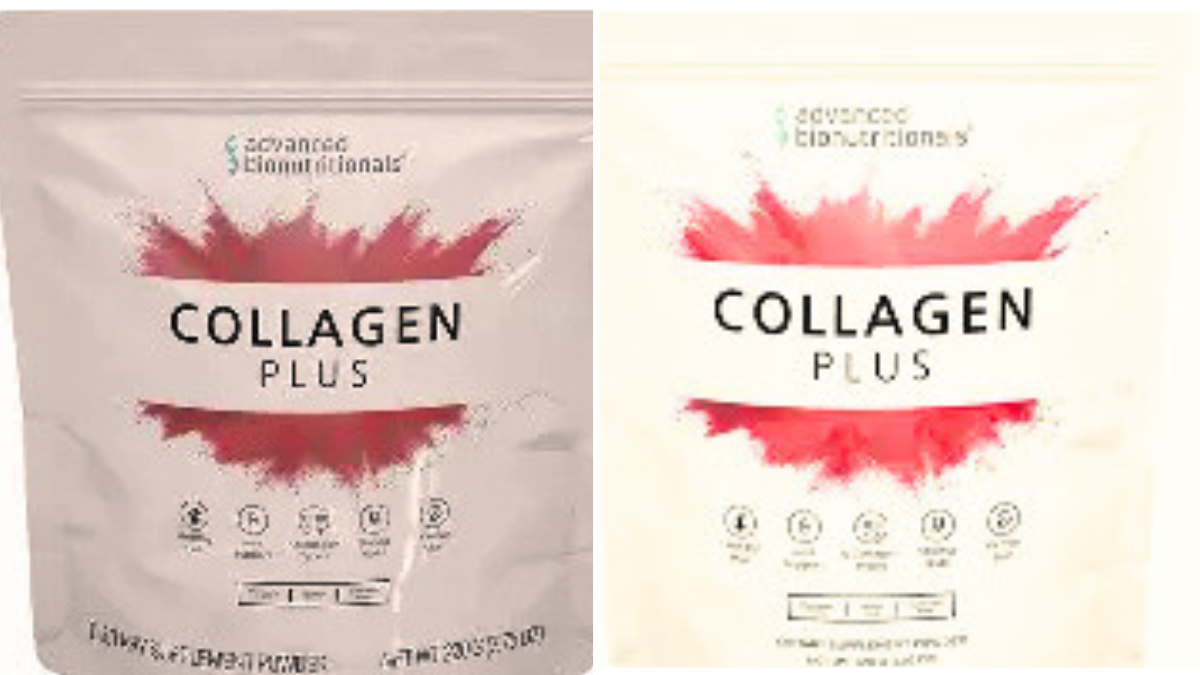
Advanced Collagen Plus
Advanced Collagen Plus: The Honest Guide to Smarter Skin, Joint, and Wellness Support
If you have spent any time scrolling through wellness content lately, you have almost certainly seen the name Advanced Collagen Plus pop up in conversations about skin elasticity, joint comfort, and healthy aging. Collagen
supplementation has moved from a niche beauty trend into a mainstream category, and formulas like Advanced Collagen Plus are part of that shift. But with so much noise online, it is easy to get lost between marketing hype
and genuinely useful information. This article is meant to cut through that noise and give you a grounded, practical look at what collagen supplementation actually does, how to use it wisely, and what realistic expectations look like.
Before diving into the specifics, it helps to understand why collagen matters in the first place. Collagen is the most abundant structural protein in the human body, found in skin, tendons, cartilage, and bone. As we age,
natural collagen production slows down, which is one of the reasons skin loses firmness and joints can feel stiffer over time. Products like Advanced Collagen Plus are designed to supplement that natural decline with
hydrolyzed collagen peptides, which are broken down into smaller molecules that the body can absorb more easily than whole collagen protein.
What Makes Advanced Collagen Plus Different From Ordinary Collagen Supplements
Not all collagen products are created equal, and this is where Advanced Collagen Plus tends to stand apart from basic single-ingredient powders. Many entry-level collagen supplements contain only one type of
collagen, usually Type I, sourced from bovine hide or fish scales. Advanced Collagen Plus formulas typically combine multiple collagen types along with supporting nutrients like vitamin C, hyaluronic acid, and biotin,
which work together rather than in isolation. Vitamin C, for example, is a required cofactor for collagen synthesis in the body, so pairing it with peptides can theoretically support better utilization.
Another distinguishing factor is peptide molecular weight. Lower molecular weight peptides are generally considered easier for the digestive system to break down and absorb. When evaluating any Advanced Collagen Plus product on the market, it is worth checking the label for hydrolyzation details, since this affects
bioavailability more than most people realize. A supplement can list a large collagen dose on the front of the bottle, but if the peptides are not properly hydrolyzed, your body may not absorb as much as the label implies.
How Collagen Production Changes As We Age
Collagen decline is not a sudden event; it is a gradual process that typically begins in our mid-twenties and accelerates after thirty. Research on skin physiology suggests that collagen production can decrease by roughly
one percent per year starting around this age, which compounds significantly over a decade or two. This is why people often notice changes in skin texture, joint comfort, and even hair thickness as they move through their thirties and forties, sometimes well before they expect it.
Hormonal changes play a major role too, particularly during and after menopause, when estrogen decline is linked to a more rapid drop in skin collagen content. This is part of why many women start researching options
like Advanced Collagen Plus during this life stage specifically. Understanding this timeline is useful because it reframes collagen supplementation not as a quick fix, but as a long-term maintenance strategy, similar to how you would think about bone density or cardiovascular health.
Quick takeaways on aging and collagen:
- Collagen synthesis slows gradually starting in the mid-twenties
- Sun exposure and smoking accelerate collagen breakdown significantly
- Hormonal shifts, especially declining estrogen, speed up the process
- Diet quality and protein intake directly influence how much raw material the body has to rebuild collagen
Key Ingredients to Look For When Choosing Advanced Collagen Plus
When comparing different bottles labeled Advanced Collagen Plus, ingredient quality matters far more than flashy packaging. Look first at the collagen source. Marine collagen tends to have smaller peptide chains and is often preferred by people focused on skin outcomes, while bovine collagen is frequently associated with joint
and gut support due to its Type I and Type III content. Some formulations blend both sources to cover a broader range of benefits, which is increasingly common in premium versions of Advanced Collagen Plus.
Beyond the collagen itself, supporting ingredients can make a meaningful difference. Hyaluronic acid helps with hydration retention in skin tissue, vitamin C supports the body’s own collagen-building enzymes, and biotin is often included for hair and nail benefits, even though its direct role in collagen synthesis is more limited. Zinc
and copper are less commonly discussed but are genuinely important trace minerals involved in connective tissue repair, so their presence in a formula is a good sign of thoughtful product design rather than a marketing afterthought.
A quick checklist worth using the next time you are comparing labels:
- Check for hydrolyzed peptides specifically, not just “collagen protein”
- Look for a stated dosage of at least 5 to 10 grams per serving
- Confirm whether the source is marine, bovine, or a multi-source blend
- See if vitamin C, hyaluronic acid, or trace minerals are included
- Avoid products with excessive fillers, artificial sweeteners, or vague “proprietary blends” that hide actual dosages
How to Take Advanced Collagen Plus for Best Results
Timing and consistency matter more than most people expect when it comes to collagen supplementation. Unlike caffeine or a pre-workout supplement, collagen peptides do not produce an immediate, noticeable
effect. Instead, most people who report positive changes with Advanced Collagen Plus describe a gradual improvement over eight to twelve weeks of consistent daily use, which lines up with typical skin cell turnover cycles.
Mixing collagen powder into a warm liquid, such as coffee or tea, is a popular method because peptides dissolve more easily and the flavor is usually neutral. Some people prefer taking it alongside a meal that includes vitamin C, such as citrus fruit or bell peppers, since this may support the body’s synthesis pathway. If you are using
capsules instead of powder, consistency becomes even more important because each dose is smaller, so daily adherence has a bigger cumulative impact over time.
It is also worth noting that more is not automatically better. Taking double the recommended dose of Advanced Collagen Plus does not necessarily double your results, and excessive protein supplementation can place
unnecessary strain on kidney function in people with pre-existing kidney conditions. Sticking to the label’s recommended serving size, and giving the supplement adequate time to work, is a more sustainable approach than chasing faster results through overuse.
Advanced Collagen Plus and Skin Health: What to Realistically Expect
Skin is usually the number one reason people search for collagen supplements in the first place, and it is where Advanced Collagen Plus tends to generate the most conversation. Several clinical studies on hydrolyzed collagen peptides have shown measurable improvements in skin elasticity and hydration after consistent
supplementation, typically over periods of eight weeks or longer. That said, individual results vary widely based on age, baseline skin condition, sun exposure history, and overall diet quality.
It is important to set realistic expectations here. Collagen supplementation is not a substitute for sunscreen, a consistent skincare routine, or proper hydration. Instead, think of it as one supportive piece within a broader approach to skin health. People who combine Advanced Collagen Plus with daily SPF use, adequate water
intake, and a diet rich in antioxidants tend to report more noticeable improvements than those relying on the supplement alone. This is a pattern that shows up consistently across skin health research, not just anecdotal reports.
Advanced Collagen Plus for Joint and Bone Support
Skin gets most of the marketing attention, but joint health is arguably where collagen supplementation has some of the more compelling research behind it. Cartilage relies heavily on collagen for its structure, and as
cartilage naturally thins with age, joint discomfort during activity can become more noticeable. Several studies involving athletes and older adults have found that consistent hydrolyzed collagen intake was associated with reduced joint discomfort during movement compared to placebo groups.
For people managing active lifestyles, whether that means running, weightlifting, or simply staying mobile as they age, incorporating Advanced Collagen Plus alongside proper warm-ups and strength training may offer additional support for joint resilience. It should not be viewed as a treatment for diagnosed joint conditions such
as osteoarthritis, and anyone dealing with a medical joint issue should talk to a healthcare provider rather than relying on supplementation alone. Collagen works best as a preventative and supportive tool, not a substitute for medical care.
Common Mistakes People Make With Collagen Supplementation
One of the most frequent mistakes is inconsistency. Because collagen supplementation works gradually, people who skip days or stop after two or three weeks often conclude the product “does not work,” when in reality they simply did not give it enough time. Building a habit, such as adding your Advanced Collagen Plus scoop to your morning coffee, tends to produce far better adherence than treating it as an occasional add-on.
Another common error is ignoring diet entirely. Collagen peptides provide raw building blocks, but your body still needs adequate overall protein intake, vitamin C, zinc, and copper to actually synthesize new collagen efficiently
. Taking a supplement while eating a diet low in these nutrients is a bit like buying construction materials without hiring anyone to build the house. Pairing supplementation with a reasonably balanced diet gives your body what it actually needs to put those peptides to use.
Mistakes to avoid:
- Stopping supplementation too early before results have a chance to appear
- Neglecting sun protection while expecting skin improvements from supplements alone
- Choosing the cheapest option without checking peptide hydrolyzation or dosage
- Ignoring overall diet and hydration, which directly affect collagen synthesis
- Expecting joint or skin issues from underlying medical conditions to resolve through supplementation alone
Advanced Collagen Plus vs Other Collagen Formats: Powder, Capsules, and Liquid
Format choice often comes down to lifestyle rather than effectiveness, though there are some practical differences worth knowing. Powdered Advanced Collagen Plus formulas typically offer the highest dosage per
serving and the most flexibility, since they can be mixed into coffee, smoothies, or baked goods. The tradeoff is that they require a bit more preparation and are less convenient while traveling.
Capsules are the most convenient option for people with busy schedules, but you usually need to take several capsules to match the dosage found in a single scoop of powder, which can make capsules a less cost-effective
choice per gram of collagen. Liquid collagen shots have grown in popularity because some research suggests liquid forms may be absorbed slightly faster, though the overall difference in practical outcomes is still debated
among researchers. Ultimately, the best format is the one you will actually use consistently, since adherence matters more than marginal absorption differences between formats.
Lifestyle Habits That Boost the Effectiveness of Advanced Collagen Plus
Supplementation does not happen in a vacuum, and pairing Advanced Collagen Plus with supportive lifestyle habits can meaningfully influence how noticeable your results are. Sleep quality, for instance, plays a surprisingly
large role in skin repair and regeneration, since much of the body’s tissue repair happens during deep sleep cycles. Chronic sleep deprivation can undercut even the best supplementation routine.
Hydration is another underrated factor. Collagen fibers need adequate water content in surrounding tissue to maintain elasticity, so pairing your supplement routine with consistent daily water intake supports the outcome
you are aiming for. Reducing added sugar intake also matters more than people expect, since a process called glycation can damage existing collagen fibers over time, essentially working against the very supplementation you are investing in. Small, consistent lifestyle adjustments tend to compound alongside supplementation far more effectively than either approach used in isolation.
Habits worth building:
- Prioritize seven to nine hours of quality sleep for tissue repair
- Drink adequate water daily to support skin and joint elasticity
- Limit added sugar intake to reduce collagen-damaging glycation
- Include daily sunscreen as a non-negotiable part of your routine
- Combine supplementation with resistance training to support joint and connective tissue health
Who Should Be Cautious With Advanced Collagen Plus
While collagen supplementation is generally well tolerated by most healthy adults, it is not automatically appropriate for everyone. People with known allergies to fish or shellfish should avoid marine-based Advanced
Collagen Plus formulas and opt for bovine or plant-derived alternatives instead. Pregnant or breastfeeding individuals should always consult a healthcare provider before starting any new supplement, including collagen, simply as a general precaution.
People managing chronic kidney disease should also speak with their doctor first, since collagen supplements add to overall daily protein intake, and kidney function can influence how the body processes that additional
protein load. Additionally, anyone currently taking prescription medications should mention new supplements to their pharmacist or physician, since interactions, while uncommon with collagen specifically, are always worth ruling out. Supplementation should complement professional medical guidance, not replace it.
Making a Final Decision on Advanced Collagen Plus
At the end of the day, deciding whether Advanced Collagen Plus is worth adding to your routine comes down to your specific goals, budget, and willingness to stay consistent for at least two to three months before evaluating
results. It is not a miracle solution, but for many people dealing with the natural effects of aging on skin and joints, a well-formulated collagen supplement combined with good lifestyle habits can be a genuinely useful part of a broader wellness strategy.
If you are just getting started, consider beginning with a single high-quality product, tracking how you feel and look over a defined period, and adjusting from there rather than switching formulas every few weeks. Patience
and consistency will tell you far more about whether Advanced Collagen Plus works for your body than any single week of use ever could.
What has your own experience been with collagen supplementation, and have you noticed a difference in your skin, joints, or overall energy? Do you prefer powder, capsules, or liquid formats, and why? We would genuinely
love to hear your thoughts and personal routines in the comments below, since real experiences often help other readers make more informed decisions than marketing claims alone ever could.
Frequently Asked Questions About Advanced Collagen Plus
How long does it take to see results from Advanced Collagen Plus?
Most users report noticeable changes in skin hydration and elasticity after eight to twelve weeks of consistent
daily use. Joint-related benefits may take a similar amount of time, since collagen rebuilding is a gradual biological process rather than an instant effect.
Can I take Advanced Collagen Plus every day long-term?
Yes, for most healthy adults, daily long-term use within the recommended dosage is considered safe. As with any supplement, periodic check-ins with a healthcare provider are a reasonable practice, especially if you have underlying health conditions.
Is Advanced Collagen Plus suitable for vegetarians or vegans?
Traditional collagen, including most formulas sold under this name, is derived from animal sources such as
bovine or marine collagen. Vegetarians and vegans should look specifically for plant-based collagen boosters, which support the body’s own collagen production rather than supplying animal-derived peptides directly.
Does Advanced Collagen Plus interact with medications?
Significant interactions are uncommon, but anyone taking prescription medication, particularly for kidney or
metabolic conditions, should consult their doctor or pharmacist before starting supplementation as a general safety practice.
What is the best time of day to take Advanced Collagen Plus?
There is no strict requirement, but many people find that taking it in the morning mixed into coffee or a smoothie makes it easiest to remember and stay consistent with daily use, which matters more for results than the specific time of day chosen.