

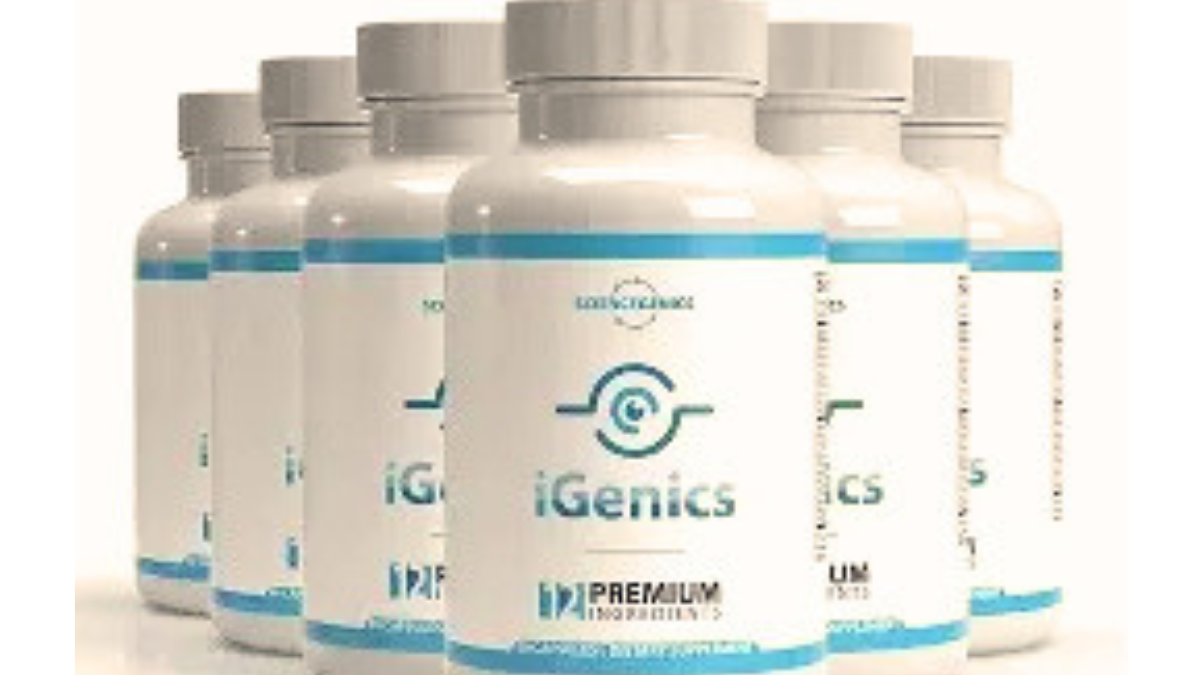
iGenics Eye Supplements
iGenics Eye Supplements: A Clear-Eyed Guide to Vision Support Products
If you have spent time browsing wellness forums, YouTube ads, or late-night infomercials, there is a good chance you have come across iGenics eye supplements. This product has built a loyal following among people worried about declining eyesight, digital eye strain, and age-related vision changes. But before you reach for your wallet, it is worth understanding exactly what this category of supplement is, what the ingredients can and cannot realistically do, and how to evaluate the marketing claims with a critical eye, pun fully intended.
This article is written as a practical resource, not a promotional piece. We will walk through how vision naturally changes over time, what typically shows up in formulations marketed as iGenics eye supplements, what independent research actually says about those ingredients, and the everyday habits that have real evidence behind them for protecting your eyesight. By the end, you should be able to make a decision based on facts rather than persuasive copywriting.
Why Eye Health Quietly Declines As We Get Older
Your eyes go through a slow, largely invisible aging process for most of your adult life. Somewhere in your forties, many people start noticing that reading small print requires holding a book or phone farther away, a condition called presbyopia caused by the lens of the eye gradually losing flexibility. Later in life, other changes become more common, including cataracts, where the lens becomes cloudy, and age-related macular degeneration, which affects the central part of the retina responsible for sharp, detailed vision.
Beyond the biological aging process, modern lifestyles add another layer of strain. Hours spent staring at phone and computer screens contribute to digital eye strain, characterized by dryness, blurred vision, headaches, and fatigue. Combine that with poor sleep, high blood sugar, smoking, and a diet low in specific nutrients, and it becomes clear why so many people in their thirties and forties already notice changes they assumed would not happen until much later. This is precisely the anxiety that marketing for products like iGenics eye supplements is designed to speak to, often using dramatic before-and-after language that goes well beyond what any oral supplement can realistically deliver.
What Are iGenics Eye Supplements and How Are They Marketed
iGenics is sold as a capsule-based dietary supplement marketed toward general eye health, with sales pages typically promising support for clearer vision, protection against blue light damage, and reduced risk of common age-related eye conditions. The marketing around iGenics eye supplements frequently uses emotionally charged storytelling, describing a founder or customer who supposedly avoided vision loss or surgery after using the product, paired with countdown timers and limited-time bundle pricing designed to create urgency around the purchase decision.
As with any dietary supplement sold in the United States, it is essential to understand the regulatory reality. The Food and Drug Administration does not review or approve dietary supplements for safety or effectiveness before they reach store shelves or checkout pages. Manufacturers are required to ensure their products are not adulterated or mislabeled, but they are not required to prove that the specific health outcomes advertised, such as improved vision or reduced macular degeneration risk, will actually occur in the people who buy them. This single fact should change how you read every claim made about iGenics eye supplements or any comparable product in this category.
Common Ingredients in iGenics Eye Supplements and What Research Actually Shows
Instead of taking sales copy at face value, it helps enormously to look at the individual ingredients typically found in eye health formulas like this one and compare the marketing claims against what peer-reviewed
research actually demonstrates. Below are ingredients commonly associated with iGenics eye supplements and similar vision-focused blends on the market:
- Lutein and zeaxanthin — These carotenoids are genuinely among the best-researched nutrients for eye health, with the landmark AREDS2 clinical trial showing they may help slow progression of intermediate to
- advanced age-related macular degeneration in people who already have the condition. They are not shown to prevent the condition from developing in healthy eyes.
- Bilberry extract — Popular in vision supplements due to its antioxidant content, though most rigorous human trials have found limited evidence that it meaningfully improves night vision or visual acuity in healthy adults.
- Zinc — Also included in the AREDS2 formula and supported by evidence for slowing macular degeneration progression in at-risk individuals, though excessive zinc intake can cause copper deficiency and other side effects.
- Quercetin — An antioxidant compound studied mainly for anti-inflammatory and allergy-related effects, with far less direct evidence specific to vision outcomes.
- N-acetyl cysteine — Sometimes included for its antioxidant properties, though robust human trials tying it directly to improved vision are scarce.
- Vitamin A, C, and E — Essential nutrients for overall eye function, and deficiencies in these vitamins are linked to vision problems, but supplementation only helps when an actual deficiency exists in the first place.
The honest takeaway here is nuanced rather than black and white. Several of these ingredients have real, published research behind them, particularly for people who already have diagnosed age-related macular
degeneration. But the jump from “this nutrient showed benefit in a specific clinical population” to “this capsule will restore clear vision and prevent eye disease in anyone who takes it” is a significant overstatement that shows up constantly in marketing for iGenics eye supplements and its many competitors.
How to Evaluate iGenics Eye Supplements and Similar Products Critically
Developing the habit of reading a supplement sales page the way a skeptical researcher would is one of the most useful skills you can build as a consumer in this space. Here is a practical checklist to run through before buying any product in this category:
- Look for the exact dosage of each active ingredient, not just a proprietary blend total that hides individual amounts.
- Compare that dosage to the amount actually used in the clinical trials being referenced, such as the AREDS2 study, since underdosed formulas cannot be expected to replicate trial results.
- Check whether cited studies are named specifically, with a journal, year, and sample size, rather than vague phrases like “clinical research shows.”
- Be cautious of testimonials paired with dramatic personal stories and professional-looking stock photography rather than verifiable customer reviews.
- Notice manufactured urgency tactics such as countdown timers, “only a few bottles left” messaging, or steep bundle discounts.
- Search independently for the manufacturer’s name, location, and any regulatory warnings or lawsuits associated with the brand.
Running iGenics eye supplements through this checklist reveals a pattern common across the entire vision-supplement industry: strong emotional storytelling, thin transparency around exact dosages, and pricing
structures built around multi-bottle bundles rather than single, reasonably priced purchases. None of this proves the product is harmful, but it does mean the burden of proof belongs with the company making the claims, not with you as the buyer.
Everyday Habits That Genuinely Protect Your Eyesight
While supplement companies naturally want your attention focused on a bottle, some of the most well-documented strategies for protecting your vision cost little or nothing and have decades of consistent research behind them. These are worth prioritizing well before, or alongside, any supplement purchase:
- Follow the 20-20-20 rule during screen time. Every twenty minutes, look at something twenty feet away for twenty seconds to reduce digital eye strain and associated dryness or fatigue.
- Get regular comprehensive eye exams. Many serious conditions, including glaucoma, develop without noticeable symptoms until significant damage has already occurred, so a dilated exam every one to two years catches problems early.
- Manage blood sugar carefully. Diabetic retinopathy is one of the leading causes of preventable vision loss, and consistent blood sugar control dramatically lowers that risk.
- Wear proper UV-blocking sunglasses. Long-term ultraviolet exposure is linked to a higher risk of cataracts and other eye damage over time.
- Eat a diet rich in leafy greens and colorful vegetables. Spinach, kale, and corn are naturally rich in lutein and zeaxanthin, the same nutrients many supplements try to replicate in capsule form.
- Quit or avoid smoking. Smoking roughly doubles the risk of developing age-related macular degeneration compared to non-smokers.
Here is a personal observation worth sharing: people who prioritize these fundamentals first, and treat any supplement as a secondary addition rather than the main strategy, tend to report more consistent long-term eye comfort. A capsule cannot undo years of unprotected sun exposure, poorly managed blood sugar, or a diet
lacking in colorful vegetables. Building these habits first also means that if you do eventually try something like iGenics eye supplements, you will have a much clearer baseline to judge whether it is actually making a noticeable difference.
Recognizing the Warning Signs of Misleading Vision Supplement Marketing
The broader supplement industry, not just one specific brand, relies on a fairly predictable set of persuasion tactics, and vision products are no exception. Once you learn to recognize these patterns, they become much
easier to filter out, whether you are evaluating iGenics eye supplements or any other product promising to restore your eyesight. Be especially skeptical of language suggesting a supplement can replace glasses
, contacts, or medical treatment entirely, or phrases implying that eye doctors are deliberately withholding a “natural cure” from patients for financial reasons.
Another common red flag is the use of dramatic personal transformation stories that lack any verifiable detail, such as a specific eye doctor’s name, a diagnosis, or measurable before-and-after test results from an actual
eye exam. Legitimate research is citable and specific. It includes named authors, publication dates, journal titles, and clearly reported sample sizes. Products backed by genuinely strong evidence are typically eager to link directly to that research, rather than relying on a summary written entirely by their own marketing team.
When It Is Time to See an Eye Doctor Instead of Trying a Supplement
No honest article about vision supplements would be complete without a direct point: certain symptoms should send you to an eye doctor immediately, not to a search engine or a supplement checkout page. Sudden vision
loss, flashes of light, a sudden increase in floaters, eye pain, or a curtain-like shadow across your field of vision are all reasons to seek urgent medical care, since these can signal a retinal detachment or other emergency. No
supplement, including any product marketed as iGenics eye supplements, is designed, intended, or approved to diagnose, treat, cure, or prevent any eye disease.
Routine screening also matters far more than most people acknowledge. Organizations such as the American Academy of Ophthalmology recommend a baseline comprehensive eye exam by age forty, with more frequent
exams as you get older or if you have risk factors like diabetes, high blood pressure, or a family history of glaucoma. A bottle of capsules sitting in your kitchen cabinet is not a substitute for that appointment. If you are
already being treated for an eye condition, always talk to your ophthalmologist before adding any new supplement, since certain ingredients, particularly high-dose zinc and vitamin A, can interact with existing treatments or health conditions.
Weighing Cost, Value, and Return Policies Before You Buy
Price deserves the same scrutiny as ingredient lists. Vision supplements in this category are rarely sold as a single, affordably priced bottle. Instead, most companies push multi-bottle bundles at a steep per-bottle
discount compared to buying just one, which nudges shoppers toward committing to a three or six month supply before they have any personal evidence the product is actually helping their eyesight. This pricing
structure is standard practice across the entire eye-health supplement industry, and it works because a bulk discount feels financially savvy even when the underlying product has not yet proven anything for you personally.
Before committing to a larger purchase of iGenics eye supplements or any competing brand, calculate the actual cost per day and compare that figure against other, better-documented investments in your eye health
, such as an annual comprehensive exam or a quality pair of UV-protective sunglasses. Ask specific questions before buying: is there a money-back guarantee, how many days does it cover, and does the refund apply to the
full bundle or only unopened bottles? Companies that make refunds genuinely difficult to claim are often counting on customer fatigue rather than product performance to protect their profit margins, a pattern worth watching for regardless of which brand you are considering.
Building a Realistic Long-Term Eye Health Routine
Zooming out from any single product, the healthiest long-term approach treats eye care the way you would treat dental or cardiovascular health: as an ongoing practice built on consistent habits, not a one-time purchase.
That means annual or biennial eye exams depending on your age and risk factors, honest conversations with your eye doctor about any changes in your vision no matter how small they seem, and a daily foundation built on
screen breaks, proper diet, and UV protection. Supplements, whether that is iGenics eye supplements or any competing formula, should sit near the bottom of that priority list rather than the top, precisely because they carry the least regulatory oversight and the most variable evidence of everything discussed in this article.
People who approach eye health this way tend to avoid two common pitfalls: spending significant money chasing a bottle that was never going to reverse structural or age-related changes, and ignoring genuinely
urgent symptoms because a supplement subscription created a false sense of security. Your eyesight deserves the same level of informed skepticism you would apply to any other major health decision, and that mindset will protect both your vision and your wallet far more reliably than any single ingredient list.
Reading the Fine Print on Ingredient Labels and Proprietary Blends
One detail that trips up even careful shoppers is the difference between a fully disclosed ingredient list and a proprietary blend. A fully disclosed label shows the exact milligram amount of each ingredient, which lets you
compare it directly against clinical trial dosages, such as the specific amounts of lutein and zeaxanthin used in the AREDS2 study. A proprietary blend, on the other hand, only lists the total combined weight of several
ingredients together, hiding how much of each individual nutrient you are actually getting. This matters enormously with vision supplements, because a formula could technically contain lutein while providing far too small a dose to match anything tested in published research.
When comparing iGenics eye supplements against competitors, take a few minutes to search for the supplement facts panel rather than relying on the marketing page alone. Reputable companies typically make
this information easy to find, either directly on the product page or in a downloadable label image. If a company only shows a proprietary blend total and resists sharing individual amounts even when directly asked through
customer service, treat that as a meaningful red flag rather than a minor inconvenience. Transparency around dosing is one of the simplest, fastest ways to separate a genuinely evidence-informed product from one relying primarily on persuasive marketing language.
Frequently Asked Questions About iGenics Eye Supplements
Is iGenics approved by the FDA?
No. Dietary supplements, including any product marketed under this name, are not approved or evaluated by the FDA for safety or effectiveness before being sold to consumers. Manufacturers are legally responsible for their own claims.
Can iGenics eye supplements actually improve vision?
There is no strong, independently verified clinical evidence that this specific product improves vision or reverses eye conditions. Some individual ingredients, particularly lutein, zeaxanthin, and zinc, have research support for
slowing macular degeneration progression in people who already have the condition, but results vary and are not guaranteed for everyone.
Are the ingredients in iGenics safe for everyone?
Not necessarily. High doses of certain ingredients, such as zinc and vitamin A, can cause side effects or interact with existing medications. Anyone with an existing eye condition or other health issue should consult a doctor before starting any new supplement.
How long does it typically take to notice a difference with eye supplements?
Most companies suggest an eight to twelve week trial period, though individual responses vary considerably, and clinical research on ingredients like lutein generally measured outcomes over many months to years, not weeks.
What is a safer first step than buying a vision supplement?
Scheduling a comprehensive eye exam with an ophthalmologist or optometrist, along with adjusting screen habits, diet, and UV protection, is generally a more evidence-backed starting point than any supplement purchase.
Eye health is one of those areas people tend to take for granted until something noticeably changes, and by then the available options are often more limited than they would have been with earlier attention and care.
Whether or not you ultimately decide to try iGenics eye supplements, the real value comes from understanding how your eyes actually age, reading marketing claims with genuine skepticism, and building daily habits that
have solid, long-term research behind them. What has your own experience been with vision supplements, and have you noticed a real difference from lifestyle changes like reducing screen time or eating more leafy greens?
Have you ever tried a product like this one and found the results did not match the marketing promises? Share your thoughts and questions in the comments below, since real experiences from other readers are often more useful than another polished sales page.