

Exercising at Home
Exercising at Home: A Complete Guide to Better Health
If you have ever wondered whether e̲x̲e̲r̲c̲i̲s̲i̲n̲g̲ ̲a̲t̲ ̲h̲o̲m̲e̲ can genuinely replace a gym membership, the short answer is yes — as long as you approach it with the right structure. Home workouts have grown enormously in popularity over the past few years, not just because of convenience, but because a well-designed home
exercise routine can deliver the same cardiovascular, strength, and mental health benefits as a traditional gym session. This guide walks through everything you need to know, from building your first routine to avoiding the mistakes that stop most beginners after two weeks.
Whether you are completely new to fitness or coming back after a long break, e̲x̲e̲r̲c̲i̲s̲i̲n̲g̲ ̲a̲t̲ ̲h̲o̲m̲e̲ removes many of the barriers that keep people from staying consistent — no commute, no waiting for equipment, and no
intimidation factor. Below, you will find practical routines, equipment recommendations, and answers to the questions people search for most when starting a home fitness journey.
Why Exercising at Home Has Become So Popular
The shift toward home fitness is not just a passing trend. Gyms can be expensive, time-consuming to reach, and intimidating for beginners who are unsure how to use equipment safely. e̲x̲e̲r̲c̲i̲s̲i̲n̲g̲ ̲a̲t̲ ̲h̲o̲m̲e̲ solves each of these
problems directly, letting you build a sustainable habit around your own schedule rather than a gym’s opening hours.
Lower Cost, Higher Consistency
A home workout routine typically requires little to no equipment, which makes it far more affordable than a monthly gym membership. Beyond cost, removing the commute and changing-room hassle means people tend
to stick with home fitness longer than gym-based programs, since there are fewer excuses standing between you and your workout.
Privacy and Reduced Intimidation
Many beginners avoid gyms simply because they feel self-conscious performing unfamiliar movements in front of others. Home fitness eliminates that pressure entirely, giving you space to learn proper form at your own pace before ever stepping into a public gym, if you choose to later.
Flexibility Around Busy Schedules
A short, effective home exercise routine can be completed in 20 to 30 minutes, squeezed in before work, during a lunch break, or after the kids go to bed. This flexibility is often the single biggest reason people finally become consistent with exercise after years of failed gym attempts.
Health Benefits of Exercising at Home
The physical and mental benefits of a consistent home workout routine are well documented, and they go far beyond simple weight management. Understanding these benefits can help keep you motivated on days when energy is low.
Cardiovascular and Metabolic Improvements
Regular movement, even without heavy equipment, improves heart health, lowers blood pressure over time, and supports healthy blood sugar regulation. Bodyweight circuits, jump rope intervals, and stair climbing are all effective cardiovascular tools that require zero equipment.
Strength and Muscle Preservation
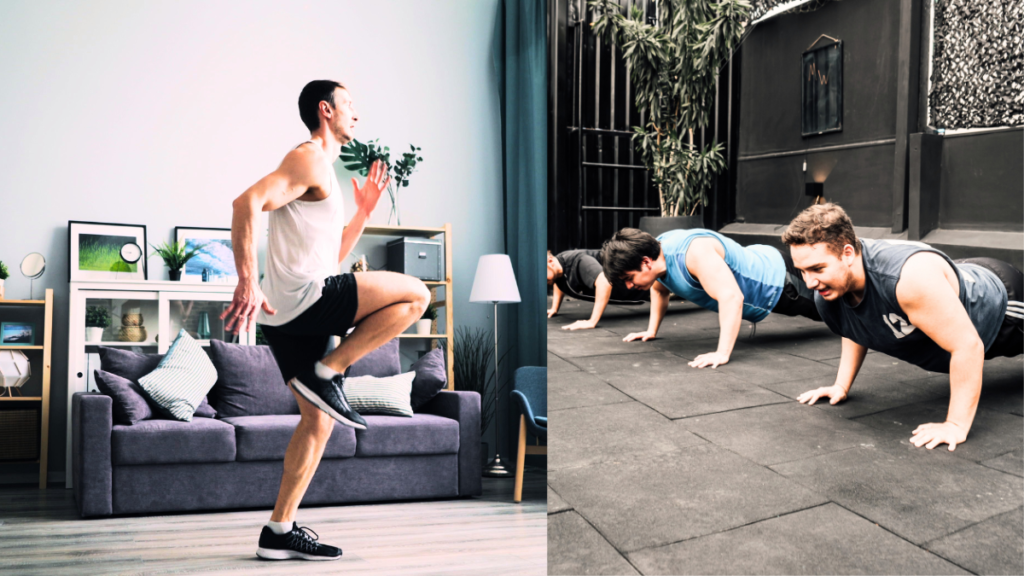
Bodyweight training — squats, push-ups, lunges, and planks — builds and maintains functional strength, which becomes increasingly important as we age. Strength preservation also reduces injury risk in daily activities like lifting groceries or climbing stairs.
Mental Health and Stress Reduction
Exercise triggers the release of endorphins and reduces cortisol, the body’s primary stress hormone. Many people report that a short home workout in the morning noticeably improves focus and mood for the rest of the day, even on stressful workdays.
How to Start Exercising at Home as a Beginner
Starting is often the hardest part, and most beginners make the mistake of trying to do too much too soon. A sustainable approach to e̲x̲e̲r̲c̲i̲s̲i̲n̲g̲ ̲a̲t̲ ̲h̲o̲m̲e̲ starts small and builds gradually.
Setting Realistic Weekly Goals
Rather than committing to daily one-hour sessions immediately, aim for three 20-minute sessions per week during your first month. This lower barrier to entry makes it far easier to build the habit before increasing intensity or frequency.
Choosing a Dedicated Space
You do not need a home gym — a clear 6×6 foot area in a living room or bedroom is enough for most bodyweight and dumbbell exercises. Having a consistent, dedicated spot also creates a mental cue that signals “it’s workout time.”
Tracking Progress Without Obsessing Over It
Simple tracking — writing down reps, sets, or how a workout felt — helps you notice improvement over weeks, which is one of the strongest motivators for continuing a home fitness habit long term.
Best Home Workouts for Beginners
Not all home workouts are created equal. The best home workouts for beginners combine simplicity, low injury risk, and enough variety to prevent boredom during the first few months.
Bodyweight Circuit Training
A basic circuit of squats, push-ups, glute bridges, and planks — performed for 30 seconds each with 15 seconds of rest, repeated for three rounds — is one of the most effective beginner-friendly formats. It requires no
equipment and can be completed in under 20 minutes.
Resistance Band Workouts
Resistance bands are inexpensive, portable, and ideal for beginners who want progressive strength training without investing in dumbbells right away. They are particularly effective for targeting glutes, shoulders, and upper back muscles that bodyweight exercises alone often miss.
Low-Impact Cardio Options
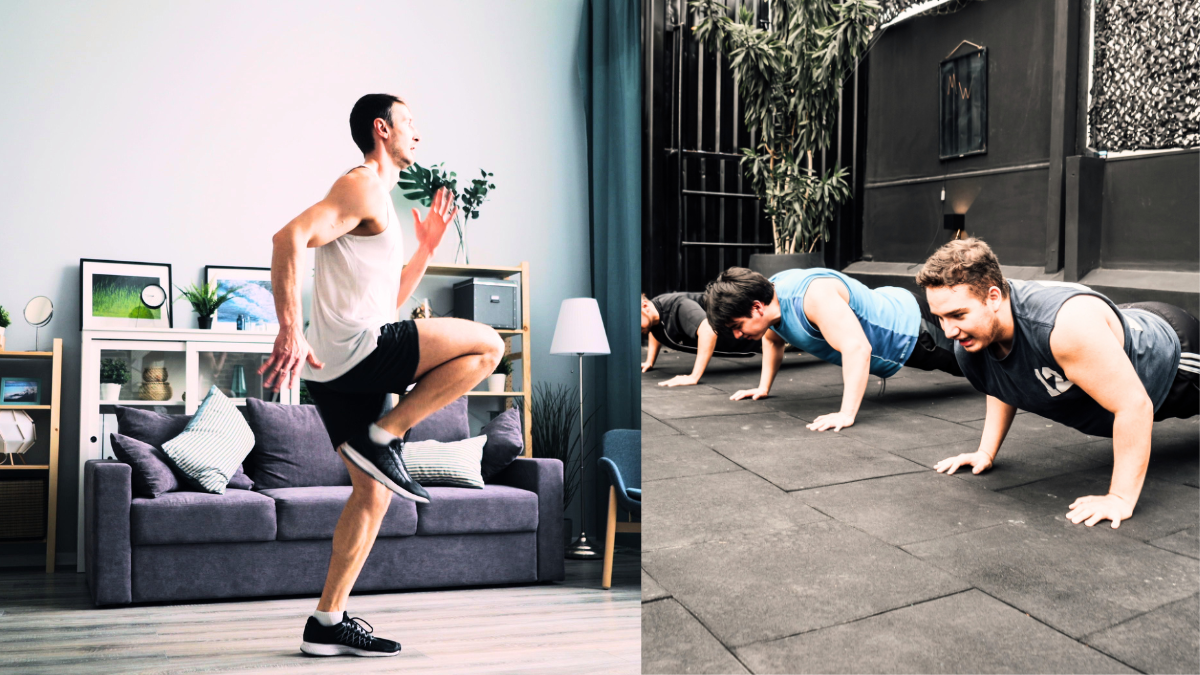
For beginners with joint concerns, low-impact cardio such as marching in place, step-touches, or shadow boxing raises heart rate effectively without the pounding impact of jumping exercises, making it a safer entry point into cardiovascular training.
Here is a simple sample structure for a beginner’s first two weeks:
| Day | Focus | Duration |
|---|---|---|
| Monday | Full-body bodyweight circuit | 20 minutes |
| Wednesday | Resistance band strength | 20 minutes |
| Friday | Low-impact cardio | 20 minutes |
| Weekend | Rest or light stretching | 10–15 minutes |
Building a Sustainable Home Exercise Routine
Consistency matters more than intensity, especially in the first few months. A home exercise routine that you can realistically maintain will always outperform an ambitious plan you abandon after two weeks.
Progressive Overload Without a Gym
Progression does not require heavier weights alone — you can increase reps, slow down movement tempo, reduce rest time, or add resistance bands to keep challenging your body as it adapts to bodyweight exercises.
Scheduling Around Your Energy Levels
Pay attention to when you naturally have the most energy during the day, and schedule your home workout routine around that window rather than forcing yourself into a time slot that consistently feels like a struggle.
Preventing Plateaus
Rotating exercise variations every four to six weeks — switching from regular squats to jump squats, for example — prevents both physical plateaus and the mental boredom that often leads people to quit.
Essential Equipment for Exercising at Home
While e̲x̲e̲r̲c̲i̲s̲i̲n̲g̲ ̲a̲t̲ ̲h̲o̲m̲e̲ can be done with zero equipment, a small investment in a few affordable items significantly expands what you can do and helps prevent workouts from feeling repetitive.
Budget-Friendly Starter Equipment
- A set of resistance bands (light, medium, heavy)
- One or two pairs of adjustable dumbbells
- A yoga mat for floor exercises and stretching
- A jump rope for quick cardio bursts
Optional Upgrades as You Progress
- A pull-up bar that mounts in a doorway
- A stability ball for core work
- A kettlebell for compound strength movements
Using Household Items as Equipment
Water bottles, filled backpacks, and sturdy chairs can all substitute for gym equipment in a pinch, making home fitness accessible even with zero budget for gear.
Common Mistakes When Exercising at Home
Even motivated beginners fall into predictable traps that stall progress. Recognizing these early can save months of frustration.
Skipping Warm-Ups and Cool-Downs
Jumping straight into intense movement without warming up increases injury risk significantly. A five-minute dynamic warm-up — arm circles, leg swings, light marching — prepares muscles and joints for the workout ahead.
Poor Form From Lack of Feedback
Without a trainer watching your movement, form mistakes can go uncorrected for weeks. Recording yourself on your phone and comparing your form to reputable video tutorials is a simple, free way to self-correct.
Inconsistent Scheduling
Treating workouts as optional rather than scheduled appointments is one of the biggest reasons people abandon a home workout routine. Blocking the time in a calendar, the same way you would a meeting, dramatically improves adherence.
Nutrition and Recovery to Support Home Fitness
Exercise alone is only part of the equation. What you eat and how well you recover directly affects how much benefit you get from any home exercise routine.
Fueling Your Workouts Properly
A light snack with carbohydrates and a small amount of protein 30 to 60 minutes before training provides steady energy without causing digestive discomfort during exercise.
The Role of Sleep in Recovery
Muscle repair and hormone regulation happen primarily during sleep, which means seven to nine hours of quality sleep is just as important as the workout itself for long-term results.
Staying Hydrated Throughout the Day
Even mild dehydration can reduce workout performance and increase perceived effort. Keeping a water bottle visible throughout the day is a simple habit that supports better training sessions.
https://hydroleanxt.com/ds/go/indexvs.php#aff=Zalemalves
Motivation naturally fluctuates, which is why building systems matters more than relying on willpower alone when it comes to e̲x̲e̲r̲c̲i̲s̲i̲n̲g̲ ̲a̲t̲ ̲h̲o̲m̲e̲ consistently.
Setting Milestone-Based Goals
Instead of vague goals like “get fit,” specific milestones — completing 20 consecutive push-ups, or finishing four weeks without missing a scheduled session — provide clearer markers of progress.
Using Apps and Communities for Accountability
Fitness apps with progress tracking, or online communities of people also focused on home fitness, can provide the accountability that a gym environment naturally offers through social presence.
Rewarding Consistency, Not Just Results
Celebrating showing up consistently — regardless of visible physical changes — helps reinforce the habit itself, which is ultimately what determines long-term success more than any single workout.
Conclusion
Ex̲e̲r̲c̲i̲s̲i̲n̲g̲ ̲a̲t̲ ̲h̲o̲m̲e̲ is one of the most accessible, sustainable ways to improve both physical and mental health, and you don’t need expensive equipment or a gym membership to see real results. Start small with a simple
home workout routine, stay consistent for the first month, and gradually add variety and intensity as your fitness improves. The hardest part is simply beginning — so pick one of the beginner routines above and commit to trying it for the next seven days.
Ready to start? Choose one 20-minute routine from this guide, schedule it into your calendar for tomorrow morning, and share your progress in the comments below — I’d love to hear how your first week of home fitness goes.
Frequently Asked Questions
Is exercising at home as effective as going to the gym?
Yes, for most fitness goals. Strength, cardiovascular health, and weight management can all be achieved
through bodyweight training, resistance bands, and dumbbells at home, provided the routine is consistent and progressively challenging.
How many days a week should beginners work out at home?
Three sessions per week is a realistic starting point for most beginners, allowing enough recovery time between sessions while still building a consistent habit.
Do I need equipment to start a home workout routine?
No. Bodyweight exercises like squats, push-ups, and planks are enough to build a solid foundation. Equipment like resistance bands and dumbbells can be added later to increase variety and intensity.
How long should a beginner home workout last?
20 to 30 minutes is sufficient for most beginners, especially when performed with proper intensity and minimal rest between exercises.
What is the best home workout for weight loss?
A combination of bodyweight circuit training and low-impact cardio, performed three to four times per week alongside a balanced diet, tends to produce the most consistent weight loss results.
Can exercising at home help with stress and mental health?
Yes. Physical activity releases endorphins and reduces cortisol levels, and many people find that a short home workout routine improves mood and focus throughout the day.