
How to Eliminate Liver Fat Naturally
How to Eliminate Liver Fat
If your last blood test flagged elevated liver enzymes, or an ultrasound showed “fatty infiltration,” you’re probably here for one reason: you want to know how to eliminate liver fat naturally, without jumping straight to
medication. The good news is that of all the organs in your body, the liver is one of the most forgiving. Unlike scar tissue in the heart or joints, fat buildup in the liver can often be reduced — sometimes significantly — through changes you make starting today.
This guide walks through what liver fat actually is, the warning signs your body may already be giving you, and a realistic, step-by-step plan to eliminate liver fat naturally using diet, movement, sleep, and a few well-
researched natural remedies. Nothing here replaces medical care, but it will give you a clear, evidence-informed starting point to bring to your next doctor’s appointment.
Disclaimer: This article is for informational purposes only and is not a substitute for professional medical advice, diagnosis, or treatment. Always talk to your doctor before starting a new diet, supplement, or exercise program, especially if you have an existing liver condition.
What Is Liver Fat and Why Does It Matter?
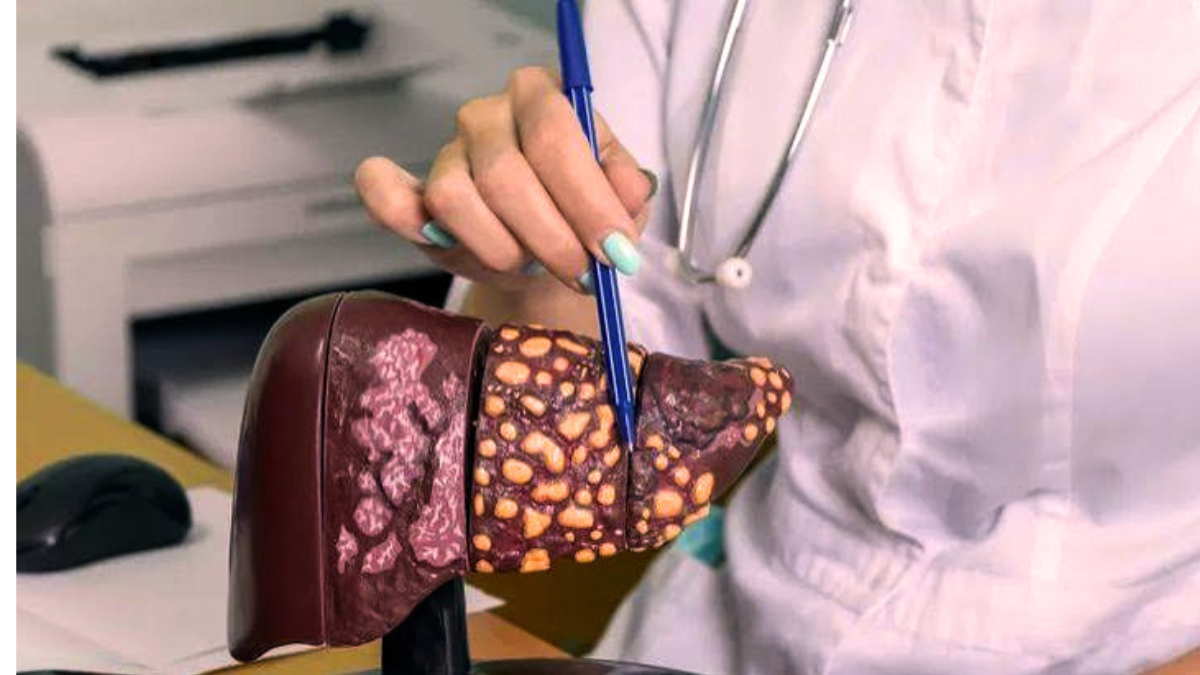
Liver fat, medically known as hepatic steatosis, occurs when fat accumulates inside liver cells beyond what’s considered normal — generally more than 5–10% of the liver’s weight. It’s one of the most common liver conditions in the world today, affecting an estimated one in four adults globally.
Understanding Fatty Liver Disease (NAFLD)
Non-alcoholic fatty liver disease (NAFLD) is the umbrella term doctors use when fat builds up in someone who drinks little or no alcohol. It’s closely linked to obesity, insulin resistance, and type 2 diabetes, which is why diet and lifestyle sit at the center of almost every natural treatment for fatty liver disease.
How Fat Accumulates in the Liver
Your liver processes everything you eat and drink. When you consistently consume more calories — particularly from refined carbohydrates and added sugars — than your body burns, the excess gets converted into fat. Some of that fat is stored around your midsection, and some gets deposited directly inside liver cells.
Why Addressing Liver Fat Early Matters
Left unmanaged, simple fatty liver can progress to non-alcoholic steatohepatitis (NASH), a more serious stage involving inflammation and liver cell damage. Over years, NASH can lead to fibrosis, cirrhosis, or liver failure. Catching and reversing the problem early is significantly easier than treating advanced liver disease.
Fatty Liver Symptoms You Shouldn’t Ignore
One of the trickiest things about liver fat is that it’s often silent in its early stages. Many people only discover it during a routine blood panel or an ultrasound for something unrelated.
Early Warning Signs
- Persistent fatigue or low energy, even after a full night’s sleep
- A dull ache or feeling of fullness in the upper right abdomen
- Mild, unexplained weight gain, particularly around the waist
- Occasional nausea or loss of appetite
Advanced Symptoms of Liver Damage
If fat has progressed to inflammation or early scarring, symptoms can become more noticeable:
- Yellowing of the skin or eyes (jaundice)
- Swelling in the legs, ankles, or abdomen
- Easy bruising or bleeding
- Dark urine and pale stools
- Mental confusion or difficulty concentrating
When to See a Doctor
If you notice any advanced symptoms, or if routine bloodwork shows elevated liver enzymes (ALT and AST), schedule an appointment. A doctor can order an ultrasound, FibroScan, or blood panel to determine how much
fat is present and whether any scarring has begun — information that’s essential before you start any natural treatment plan.
How to Eliminate Liver Fat Naturally: Where to Start
Once you understand what you’re dealing with, the next step is building a plan you can actually stick to. Trying to overhaul everything at once rarely works — small, consistent changes tend to outperform dramatic short-term efforts.
Setting Realistic Goals
Research consistently shows that losing just 5–10% of your body weight can meaningfully reduce liver fat, and losing more can improve inflammation and even early fibrosis. That means someone weighing 200 pounds might see real liver improvement after losing 10–20 pounds — a goal that’s far more achievable than it sounds.
The Role of Weight Loss
Weight loss is, by far, the single most effective natural strategy to eliminate liver fat naturally. It reduces the burden on liver cells, improves insulin sensitivity, and lowers the inflammatory markers associated with NASH. Gradual weight loss (about 1–2 pounds per week) is preferred, since very rapid weight loss can occasionally worsen liver inflammation.
Working With Your Doctor
Before making major dietary changes, get a baseline liver panel and, if possible, an imaging test. This lets you track measurable progress over the following months rather than guessing whether your efforts are working.
Diet for Fatty Liver: What to Eat and Avoid
Nutrition is the cornerstone of any effective diet for fatty liver, and it’s also where most people see the fastest, most measurable improvement.
What to Eat for Fatty Liver
When people ask what to eat for fatty liver, the short answer is: whole, minimally processed foods built around fiber, healthy fats, and lean protein.
| Food Group | Examples | Why It Helps |
|---|---|---|
| Leafy greens & vegetables | Spinach, broccoli, Brussels sprouts | High fiber, low calorie density |
| Healthy fats | Olive oil, avocado, nuts | Reduces inflammation, improves lipid profile |
| Lean protein | Fish, skinless poultry, legumes | Supports muscle mass during weight loss |
| Whole grains | Oats, quinoa, brown rice | Steadies blood sugar, reduces fat storage |
| Low-sugar fruits | Berries, apples, citrus | Antioxidants without excess fructose |
Foods and Drinks to Avoid
Certain foods actively work against your goal to eliminate liver fat naturally and should be minimized or cut out:
- Sugary sodas, fruit juices, and other high-fructose drinks
- Refined carbohydrates like white bread and pastries
- Fried and heavily processed foods
- Red and processed meats in excess
- Alcohol, which places direct additional strain on the liver
Sample One-Day Meal Plan
A simple day of liver-friendly eating might look like this:
- Breakfast: Oatmeal with berries and a spoonful of ground flaxseed
- Lunch: Grilled salmon salad with olive oil dressing and mixed greens
- Snack: A handful of walnuts and an apple
- Dinner: Stir-fried vegetables with tofu or chicken over brown rice
- Drink: Water, herbal tea, or black coffee (unsweetened)
Natural Remedies for Liver Fat
Alongside diet, several natural remedies for liver fat have gathered meaningful scientific interest, though none should replace medical treatment for existing liver disease.
Herbal and Natural Remedy Options
Milk thistle, containing the active compound silymarin, is among the most studied natural remedy for liver fat options. Some research suggests it may help protect liver cells and reduce inflammation, though results are
mixed and more large-scale studies are needed. Turmeric (curcumin) has also shown anti-inflammatory properties that may support liver health.
Coffee and Green Tea
Multiple observational studies have linked regular coffee consumption to lower rates of liver fibrosis and a reduced risk of liver cancer in people with existing liver disease. Green tea, rich in catechins, has similarly been associated with modest reductions in liver fat in some clinical trials.
Supplements to Discuss With Your Doctor
Vitamin E, omega-3 fatty acids, and probiotics have all shown some promise in research settings for people with NAFLD. However, supplements can interact with medications and aren’t right for everyone — always check with your doctor before adding them to your routine.
How to Cleanse the Liver Naturally Through Lifestyle
Diet alone isn’t the whole picture. If you’re wondering how to cleanse the liver naturally, lifestyle habits outside of food play an equally important role.
Exercise and Physical Activity
Regular physical activity — even without significant weight loss — has been shown to directly reduce liver fat by improving how your body uses insulin and burns fatty acids. Aim for at least 150 minutes of moderate aerobic activity per week, such as brisk walking, cycling, or swimming, plus two sessions of strength training.
Sleep and Stress Management
Poor sleep and chronic stress raise cortisol levels, which can worsen insulin resistance and promote fat storage, including in the liver. Prioritizing 7–9 hours of quality sleep and incorporating stress-reduction practices like meditation or deep breathing supports your broader effort to eliminate liver fat naturally.
Cutting Out Alcohol and Toxins
Even moderate alcohol consumption can slow liver fat reduction, and for anyone already diagnosed with fatty liver, most doctors recommend cutting it out entirely. Reducing exposure to unnecessary medications, excess supplements, and environmental toxins also gives your liver more capacity to repair itself.
How to Reverse Liver Fat: Realistic Expectations and Timeline
Understanding how to reverse liver fat also means understanding the realistic timeline involved — this isn’t an overnight process, but progress often comes faster than people expect.
How Long Does It Take to Reduce Liver Fat?
Studies tracking people who combine diet changes with exercise have shown measurable reductions in liver fat within as little as 8–12 weeks. More significant improvement, including reduced inflammation, often takes 3–6 months of consistent effort.
Tracking Your Progress
Follow-up blood tests (ALT, AST, GGT) every few months can show whether liver enzymes are trending down. In some cases, doctors may repeat imaging, such as an ultrasound or FibroScan, to measure fat percentage directly.
Signs Your Liver Is Healing
- Improving energy levels and reduced fatigue
- Gradual, sustained weight loss
- Lower liver enzyme levels on bloodwork
- Reduced abdominal discomfort
- Improved cholesterol and blood sugar readings
Natural Treatment for Fatty Liver Disease: Combining Strategies
No single food or supplement will undo fatty liver disease on its own. The most effective natural treatment for fatty liver disease combines several strategies at once.
Building a Sustainable Routine
Rather than an extreme short-term diet, aim for a pattern of eating and movement you can maintain for years. Consistency matters far more than perfection — a Mediterranean-style eating pattern, in particular, has strong research support for reducing liver fat over the long term.
Common Mistakes to Avoid
- Relying only on supplements while ignoring diet and exercise
- Losing weight too quickly through crash diets
- Continuing to drink alcohol regularly despite a diagnosis
- Skipping follow-up bloodwork and assuming things are “fine”
When Natural Approaches Aren’t Enough
For some people, especially those with more advanced NASH or fibrosis, lifestyle changes alone may not be sufficient. Newer prescription medications are now available for certain patients, and a hepatologist (liver specialist) can help determine whether medical treatment should be added to your natural efforts.
Frequently Asked Questions
Can fatty liver be reversed naturally? In many cases, yes — particularly in the early stages. Weight loss, a liver-friendly diet, and regular exercise have all been shown in clinical research to reduce liver fat and, in some cases, reverse early damage entirely.
How long does it take to reduce liver fat? Most people see measurable improvement within 8–12 weeks of consistent diet and exercise changes, with more substantial results typically appearing after 3–6 months.
What foods should I avoid with fatty liver? Limit sugary drinks, refined carbohydrates, fried foods, processed meats, and alcohol, all of which contribute to fat storage and inflammation in the liver.
Is coffee good for the liver? Research suggests regular, unsweetened coffee consumption may be associated with a lower risk of liver fibrosis and liver disease progression, though it isn’t a standalone treatment.
Can I eliminate liver fat without medication? Many people successfully reduce liver fat through diet, exercise, and lifestyle changes alone, especially in earlier stages. More advanced cases may require medical treatment alongside these efforts.
What are the first signs of fatty liver disease? Early signs are often subtle and may include fatigue, mild abdominal discomfort, and unexplained weight gain — many people have no symptoms at all until it’s found on a routine test.
Conclusion
Learning how to eliminate liver fat naturally comes down to a few consistent habits: eating whole, fiber-rich foods, staying physically active, prioritizing sleep, cutting back on alcohol and added sugar, and tracking your progress with your doctor. None of these changes require perfection — they require consistency over months, not days.
If you’ve been putting off addressing your liver health, let this be your starting point. Talk to your doctor about a baseline liver panel, pick one or two changes from this guide to start this week, and build from there. Your liver has a remarkable capacity to heal — give it the chance.
Ready to take the next step? Book a check-up with your doctor to get a baseline liver panel, and start with one dietary change from this guide today.
Suggested Internal Links
- /best-foods-for-liver-health
- /how-to-lose-belly-fat-safely
- /mediterranean-diet-beginners-guide
Suggested External Links
- Mayo Clinic — Nonalcoholic fatty liver disease overview (mayoclinic.org)
- National Institute of Diabetes and Digestive and Kidney Diseases — NAFLD & NASH (niddk.nih.gov)
Suggested Image ALT Text
- “Healthy foods that help eliminate liver fat naturally arranged on a wooden table”
- “Diagram comparing a healthy liver to a liver with fat accumulation”
- “Person jogging outdoors as part of a natural fatty liver treatment routine”
How to Eliminate Liver Fat Naturally
If your last blood test flagged elevated liver enzymes, or an ultrasound showed “fatty infiltration,” you’re probably here for one reason: you want to know how to eliminate liver fat naturally, without jumping straight to
medication. The good news is that of all the organs in your body, the liver is one of the most forgiving. Unlike scar tissue in the heart or joints, fat buildup in the liver can often be reduced — sometimes significantly — through changes you make starting today.
This guide walks through what liver fat actually is, the warning signs your body may already be giving you, and a realistic, step-by-step plan to eliminate liver fat naturally using diet, movement, sleep, and a few well-
researched natural remedies. Nothing here replaces medical care, but it will give you a clear, evidence-informed starting point to bring to your next doctor’s appointment.
Disclaimer: This article is for informational purposes only and is not a substitute for professional medical advice, diagnosis, or treatment. Always talk to your doctor before starting a new diet, supplement, or exercise program, especially if you have an existing liver condition.
What Is Liver Fat and Why Does It Matter?
Liver fat, medically known as hepatic steatosis, occurs when fat accumulates inside liver cells beyond what’s considered normal — generally more than 5–10% of the liver’s weight. It’s one of the most common liver conditions in the world today, affecting an estimated one in four adults globally.
Understanding Fatty Liver Disease (NAFLD)
Non-alcoholic fatty liver disease (NAFLD) is the umbrella term doctors use when fat builds up in someone who drinks little or no alcohol. It’s closely linked to obesity, insulin resistance, and type 2 diabetes, which is why diet and lifestyle sit at the center of almost every natural treatment for fatty liver disease.
How Fat Accumulates in the Liver
Your liver processes everything you eat and drink. When you consistently consume more calories — particularly from refined carbohydrates and added sugars — than your body burns, the excess gets converted into fat. Some of that fat is stored around your midsection, and some gets deposited directly inside liver cells.
Why Addressing Liver Fat Early Matters
Left unmanaged, simple fatty liver can progress to non-alcoholic steatohepatitis (NASH), a more serious stage involving inflammation and liver cell damage. Over years, NASH can lead to fibrosis, cirrhosis, or liver failure. Catching and reversing the problem early is significantly easier than treating advanced liver disease.
Fatty Liver Symptoms You Shouldn’t Ignore
One of the trickiest things about liver fat is that it’s often silent in its early stages. Many people only discover it during a routine blood panel or an ultrasound for something unrelated.
Early Warning Signs
- Persistent fatigue or low energy, even after a full night’s sleep
- A dull ache or feeling of fullness in the upper right abdomen
- Mild, unexplained weight gain, particularly around the waist
- Occasional nausea or loss of appetite
Advanced Symptoms of Liver Damage
If fat has progressed to inflammation or early scarring, symptoms can become more noticeable:
- Yellowing of the skin or eyes (jaundice)
- Swelling in the legs, ankles, or abdomen
- Easy bruising or bleeding
- Dark urine and pale stools
- Mental confusion or difficulty concentrating
When to See a Doctor
If you notice any advanced symptoms, or if routine bloodwork shows elevated liver enzymes (ALT and AST), schedule an appointment. A doctor can order an ultrasound, FibroScan, or blood panel to determine how much
fat is present and whether any scarring has begun — information that’s essential before you start any natural treatment plan.
How to Eliminate Liver Fat Naturally: Where to Start
Once you understand what you’re dealing with, the next step is building a plan you can actually stick to. Trying to overhaul everything at once rarely works — small, consistent changes tend to outperform dramatic short-term efforts.
Setting Realistic Goals
Research consistently shows that losing just 5–10% of your body weight can meaningfully reduce liver fat, and losing more can improve inflammation and even early fibrosis. That means someone weighing 200 pounds might see real liver improvement after losing 10–20 pounds — a goal that’s far more achievable than it sounds.
The Role of Weight Loss
Weight loss is, by far, the single most effective natural strategy to eliminate liver fat naturally. It reduces the burden on liver cells, improves insulin sensitivity, and lowers the inflammatory markers associated with NASH.
Gradual weight loss (about 1–2 pounds per week) is preferred, since very rapid weight loss can occasionally worsen liver inflammation.
Working With Your Doctor
Before making major dietary changes, get a baseline liver panel and, if possible, an imaging test. This lets you track measurable progress over the following months rather than guessing whether your efforts are working.
Diet for Fatty Liver: What to Eat and Avoid
Nutrition is the cornerstone of any effective diet for fatty liver, and it’s also where most people see the fastest, most measurable improvement.
What to Eat for Fatty Liver
When people ask what to eat for fatty liver, the short answer is: whole, minimally processed foods built around fiber, healthy fats, and lean protein.
| Food Group | Examples | Why It Helps |
|---|---|---|
| Leafy greens & vegetables | Spinach, broccoli, Brussels sprouts | High fiber, low calorie density |
| Healthy fats | Olive oil, avocado, nuts | Reduces inflammation, improves lipid profile |
| Lean protein | Fish, skinless poultry, legumes | Supports muscle mass during weight loss |
| Whole grains | Oats, quinoa, brown rice | Steadies blood sugar, reduces fat storage |
| Low-sugar fruits | Berries, apples, citrus | Antioxidants without excess fructose |
Foods and Drinks to Avoid
Certain foods actively work against your goal to eliminate liver fat naturally and should be minimized or cut out:
- Sugary sodas, fruit juices, and other high-fructose drinks
- Refined carbohydrates like white bread and pastries
- Fried and heavily processed foods
- Red and processed meats in excess
- Alcohol, which places direct additional strain on the liver
Sample One-Day Meal Plan
A simple day of liver-friendly eating might look like this:
- Breakfast: Oatmeal with berries and a spoonful of ground flaxseed
- Lunch: Grilled salmon salad with olive oil dressing and mixed greens
- Snack: A handful of walnuts and an apple
- Dinner: Stir-fried vegetables with tofu or chicken over brown rice
- Drink: Water, herbal tea, or black coffee (unsweetened)
Natural Remedies for Liver Fat
Alongside diet, several natural remedies for liver fat have gathered meaningful scientific interest, though none should replace medical treatment for existing liver disease.
Herbal and Natural Remedy Options
Milk thistle, containing the active compound silymarin, is among the most studied natural remedy for liver fat options. Some research suggests it may help protect liver cells and reduce inflammation, though results are
mixed and more large-scale studies are needed. Turmeric (curcumin) has also shown anti-inflammatory properties that may support liver health.
Coffee and Green Tea
Multiple observational studies have linked regular coffee consumption to lower rates of liver fibrosis and a reduced risk of liver cancer in people with existing liver disease. Green tea, rich in catechins, has similarly been associated with modest reductions in liver fat in some clinical trials.
Supplements to Discuss With Your Doctor
Vitamin E, omega-3 fatty acids, and probiotics have all shown some promise in research settings for people with NAFLD. However, supplements can interact with medications and aren’t right for everyone — always check with your doctor before adding them to your routine.
How to Cleanse the Liver Naturally Through Lifestyle
Diet alone isn’t the whole picture. If you’re wondering how to cleanse the liver naturally, lifestyle habits outside of food play an equally important role.
Exercise and Physical Activity
Regular physical activity — even without significant weight loss — has been shown to directly reduce liver fat by improving how your body uses insulin and burns fatty acids. Aim for at least 150 minutes of moderate aerobic activity per week, such as brisk walking, cycling, or swimming, plus two sessions of strength training.
Sleep and Stress Management
Poor sleep and chronic stress raise cortisol levels, which can worsen insulin resistance and promote fat storage, including in the liver. Prioritizing 7–9 hours of quality sleep and incorporating stress-reduction practices like meditation or deep breathing supports your broader effort to eliminate liver fat naturally.
Cutting Out Alcohol and Toxins
Even moderate alcohol consumption can slow liver fat reduction, and for anyone already diagnosed with fatty liver, most doctors recommend cutting it out entirely. Reducing exposure to unnecessary medications, excess supplements, and environmental toxins also gives your liver more capacity to repair itself.
How to Reverse Liver Fat: Realistic Expectations and Timeline
Understanding how to reverse liver fat also means understanding the realistic timeline involved — this isn’t an overnight process, but progress often comes faster than people expect.
How Long Does It Take to Reduce Liver Fat?
Studies tracking people who combine diet changes with exercise have shown measurable reductions in liver fat within as little as 8–12 weeks. More significant improvement, including reduced inflammation, often takes 3–6 months of consistent effort.
Tracking Your Progress
Follow-up blood tests (ALT, AST, GGT) every few months can show whether liver enzymes are trending down. In some cases, doctors may repeat imaging, such as an ultrasound or FibroScan, to measure fat percentage directly.
Signs Your Liver Is Healing
- Improving energy levels and reduced fatigue
- Gradual, sustained weight loss
- Lower liver enzyme levels on bloodwork
- Reduced abdominal discomfort
- Improved cholesterol and blood sugar readings
Natural Treatment for Fatty Liver Disease: Combining Strategies
No single food or supplement will undo fatty liver disease on its own. The most effective natural treatment for fatty liver disease combines several strategies at once.
Building a Sustainable Routine
Rather than an extreme short-term diet, aim for a pattern of eating and movement you can maintain for years. Consistency matters far more than perfection — a Mediterranean-style eating pattern, in particular, has strong research support for reducing liver fat over the long term.
Common Mistakes to Avoid
- Relying only on supplements while ignoring diet and exercise
- Losing weight too quickly through crash diets
- Continuing to drink alcohol regularly despite a diagnosis
- Skipping follow-up bloodwork and assuming things are “fine”
When Natural Approaches Aren’t Enough
For some people, especially those with more advanced NASH or fibrosis, lifestyle changes alone may not be sufficient. Newer prescription medications are now available for certain patients, and a hepatologist (liver specialist) can help determine whether medical treatment should be added to your natural efforts.
Frequently Asked Questions
Can fatty liver be reversed naturally? In many cases, yes — particularly in the early stages. Weight loss, a liver-friendly diet, and regular exercise have all been shown in clinical research to reduce liver fat and, in some cases, reverse early damage entirely.
How long does it take to reduce liver fat? Most people see measurable improvement within 8–12 weeks of consistent diet and exercise changes, with more substantial results typically appearing after 3–6 months.
What foods should I avoid with fatty liver? Limit sugary drinks, refined carbohydrates, fried foods, processed meats, and alcohol, all of which contribute to fat storage and inflammation in the liver.
Is coffee good for the liver? Research suggests regular, unsweetened coffee consumption may be associated with a lower risk of liver fibrosis and liver disease progression, though it isn’t a standalone treatment.
Can I eliminate liver fat without medication? Many people successfully reduce liver fat through diet, exercise, and lifestyle changes alone, especially in earlier stages. More advanced cases may require medical treatment alongside these efforts.
What are the first signs of fatty liver disease? Early signs are often subtle and may include fatigue, mild abdominal discomfort, and unexplained weight gain — many people have no symptoms at all until it’s found on a routine test.
Conclusion
Learning how to eliminate liver fat naturally comes down to a few consistent habits: eating whole, fiber-rich foods, staying physically active, prioritizing sleep, cutting back on alcohol and added sugar, and tracking your progress with your doctor. None of these changes require perfection — they require consistency over months, not days.
If you’ve been putting off addressing your liver health, let this be your starting point. Talk to your doctor about a baseline liver panel, pick one or two changes from this guide to start this week, and build from there. Your liver has a remarkable capacity to heal — give it the chance.
Ready to take the next step? Book a check-up with your doctor to get a baseline liver panel, and start with one dietary change from this guide today.
Suggested Internal Links
- /best-foods-for-liver-health
- /how-to-lose-belly-fat-safely
- /mediterranean-diet-beginners-guide
Suggested External Links
- Mayo Clinic — Nonalcoholic fatty liver disease overview (mayoclinic.org)
- National Institute of Diabetes and Digestive and Kidney Diseases — NAFLD & NASH (niddk.nih.gov)
Suggested Image ALT Text
“Person jogging outdoors as part of a natural fatty liver treatment routine”Naturally
“Healthy foods that help eliminate liver fat naturally arranged on a wooden table”
“Diagram comparing a healthy liver to a liver with fat accumulation”
If your last blood test flagged elevated liver enzymes, or an ultrasound showed “fatty infiltration,” you’re probably here for one reason: you want to know how to eliminate liver fat naturally, without jumping straight to
medication. The good news is that of all the organs in your body, the liver is one of the most forgiving. Unlike scar tissue in the heart or joints, fat buildup in the liver can often be reduced — sometimes significantly — through changes you make starting today.
This guide walks through what liver fat actually is, the warning signs your body may already be giving you, and a realistic, step-by-step plan to eliminate liver fat naturally using diet, movement, sleep, and a few well-
researched natural remedies. Nothing here replaces medical care, but it will give you a clear, evidence-informed starting point to bring to your next doctor’s appointment.
Disclaimer: This article is for informational purposes only and is not a substitute for professional medical advice, diagnosis, or treatment. Always talk to your doctor before starting a new diet, supplement, or exercise program, especially if you have an existing liver condition.
What Is Liver Fat and Why Does It Matter?
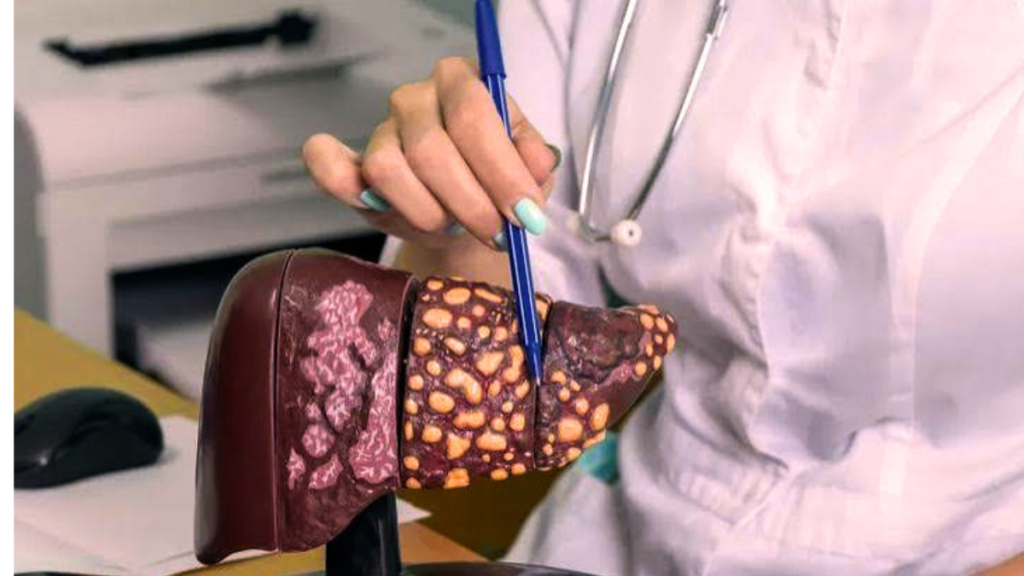
Liver fat, medically known as hepatic steatosis, occurs when fat accumulates inside liver cells beyond what’s considered normal — generally more than 5–10% of the liver’s weight. It’s one of the most common liver conditions in the world today, affecting an estimated one in four adults globally.
Understanding Fatty Liver Disease (NAFLD)
Non-alcoholic fatty liver disease (NAFLD) is the umbrella term doctors use when fat builds up in someone who drinks little or no alcohol. It’s closely linked to obesity, insulin resistance, and type 2 diabetes, which is why diet and lifestyle sit at the center of almost every natural treatment for fatty liver disease.
How Fat Accumulates in the Liver
Your liver processes everything you eat and drink. When you consistently consume more calories — particularly from refined carbohydrates and added sugars — than your body burns, the excess gets converted into fat. Some of that fat is stored around your midsection, and some gets deposited directly inside liver cells.
Why Addressing Liver Fat Early Matters
Left unmanaged, simple fatty liver can progress to non-alcoholic steatohepatitis (NASH), a more serious stage involving inflammation and liver cell damage. Over years, NASH can lead to fibrosis, cirrhosis, or liver failure. Catching and reversing the problem early is significantly easier than treating advanced liver disease.
Fatty Liver Symptoms You Shouldn’t Ignore
One of the trickiest things about liver fat is that it’s often silent in its early stages. Many people only discover it during a routine blood panel or an ultrasound for something unrelated.
Early Warning Signs
- Persistent fatigue or low energy, even after a full night’s sleep
- A dull ache or feeling of fullness in the upper right abdomen
- Mild, unexplained weight gain, particularly around the waist
- Occasional nausea or loss of appetite
Advanced Symptoms of Liver Damage
If fat has progressed to inflammation or early scarring, symptoms can become more noticeable:
- Yellowing of the skin or eyes (jaundice)
- Swelling in the legs, ankles, or abdomen
- Easy bruising or bleeding
- Dark urine and pale stools
- Mental confusion or difficulty concentrating
When to See a Doctor
If you notice any advanced symptoms, or if routine bloodwork shows elevated liver enzymes (ALT and AST), schedule an appointment. A doctor can order an ultrasound, FibroScan, or blood panel to determine how much
fat is present and whether any scarring has begun — information that’s essential before you start any natural treatment plan.
How to Eliminate Liver Fat Naturally: Where to Start
Once you understand what you’re dealing with, the next step is building a plan you can actually stick to. Trying to overhaul everything at once rarely works — small, consistent changes tend to outperform dramatic short-term efforts.
Setting Realistic Goals
Research consistently shows that losing just 5–10% of your body weight can meaningfully reduce liver fat, and losing more can improve inflammation and even early fibrosis. That means someone weighing 200 pounds might see real liver improvement after losing 10–20 pounds — a goal that’s far more achievable than it sounds.
The Role of Weight Loss
Weight loss is, by far, the single most effective natural strategy to eliminate liver fat naturally. It reduces the burden on liver cells, improves insulin sensitivity, and lowers the inflammatory markers associated with NASH. Gradual weight loss (about 1–2 pounds per week) is preferred, since very rapid weight loss can occasionally worsen liver inflammation.
Working With Your Doctor
Before making major dietary changes, get a baseline liver panel and, if possible, an imaging test. This lets you track measurable progress over the following months rather than guessing whether your efforts are working.
Diet for Fatty Liver: What to Eat and Avoid
Nutrition is the cornerstone of any effective diet for fatty liver, and it’s also where most people see the fastest, most measurable improvement.
What to Eat for Fatty Liver
When people ask what to eat for fatty liver, the short answer is: whole, minimally processed foods built around fiber, healthy fats, and lean protein.
| Food Group | Examples | Why It Helps |
|---|---|---|
| Leafy greens & vegetables | Spinach, broccoli, Brussels sprouts | High fiber, low calorie density |
| Healthy fats | Olive oil, avocado, nuts | Reduces inflammation, improves lipid profile |
| Lean protein | Fish, skinless poultry, legumes | Supports muscle mass during weight loss |
| Whole grains | Oats, quinoa, brown rice | Steadies blood sugar, reduces fat storage |
| Low-sugar fruits | Berries, apples, citrus | Antioxidants without excess fructose |
Foods and Drinks to Avoid
Certain foods actively work against your goal to eliminate liver fat naturally and should be minimized or cut out:
- Sugary sodas, fruit juices, and other high-fructose drinks
- Refined carbohydrates like white bread and pastries
- Fried and heavily processed foods
- Red and processed meats in excess
- Alcohol, which places direct additional strain on the liver
Sample One-Day Meal Plan
A simple day of liver-friendly eating might look like this:
- Breakfast: Oatmeal with berries and a spoonful of ground flaxseed
- Lunch: Grilled salmon salad with olive oil dressing and mixed greens
- Snack: A handful of walnuts and an apple
- Dinner: Stir-fried vegetables with tofu or chicken over brown rice
- Drink: Water, herbal tea, or black coffee (unsweetened)
Natural Remedies for Liver Fat
Alongside diet, several natural remedies for liver fat have gathered meaningful scientific interest, though none should replace medical treatment for existing liver disease.
Herbal and Natural Remedy Options
Milk thistle, containing the active compound silymarin, is among the most studied natural remedy for liver fat options. Some research suggests it may help protect liver cells and reduce inflammation, though results are
mixed and more large-scale studies are needed. Turmeric (curcumin) has also shown anti-inflammatory properties that may support liver health.
Coffee and Green Tea
Multiple observational studies have linked regular coffee consumption to lower rates of liver fibrosis and a reduced risk of liver cancer in people with existing liver disease. Green tea, rich in catechins, has similarly been associated with modest reductions in liver fat in some clinical trials.
Supplements to Discuss With Your Doctor
Vitamin E, omega-3 fatty acids, and probiotics have all shown some promise in research settings for people with NAFLD. However, supplements can interact with medications and aren’t right for everyone — always check with your doctor before adding them to your routine.
How to Cleanse the Liver Naturally Through Lifestyle
Diet alone isn’t the whole picture. If you’re wondering how to cleanse the liver naturally, lifestyle habits outside of food play an equally important role.
Exercise and Physical Activity
Regular physical activity — even without significant weight loss — has been shown to directly reduce liver fat by improving how your body uses insulin and burns fatty acids. Aim for at least 150 minutes of moderate aerobic activity per week, such as brisk walking, cycling, or swimming, plus two sessions of strength training.
Sleep and Stress Management
Poor sleep and chronic stress raise cortisol levels, which can worsen insulin resistance and promote fat storage, including in the liver. Prioritizing 7–9 hours of quality sleep and incorporating stress-reduction practices like meditation or deep breathing supports your broader effort to eliminate liver fat naturally.
Cutting Out Alcohol and Toxins
Even moderate alcohol consumption can slow liver fat reduction, and for anyone already diagnosed with fatty liver, most doctors recommend cutting it out entirely. Reducing exposure to unnecessary medications, excess supplements, and environmental toxins also gives your liver more capacity to repair itself.
How to Reverse Liver Fat: Realistic Expectations and Timeline
Understanding how to reverse liver fat also means understanding the realistic timeline involved — this isn’t an overnight process, but progress often comes faster than people expect.
How Long Does It Take to Reduce Liver Fat?
Studies tracking people who combine diet changes with exercise have shown measurable reductions in liver fat within as little as 8–12 weeks. More significant improvement, including reduced inflammation, often takes 3–6 months of consistent effort.
Tracking Your Progress
Follow-up blood tests (ALT, AST, GGT) every few months can show whether liver enzymes are trending down. In some cases, doctors may repeat imaging, such as an ultrasound or FibroScan, to measure fat percentage directly.
Signs Your Liver Is Healing
- Improving energy levels and reduced fatigue
- Gradual, sustained weight loss
- Lower liver enzyme levels on bloodwork
- Reduced abdominal discomfort
- Improved cholesterol and blood sugar readings
Natural Treatment for Fatty Liver Disease: Combining Strategies
No single food or supplement will undo fatty liver disease on its own. The most effective natural treatment for fatty liver disease combines several strategies at once.
Building a Sustainable Routine
Rather than an extreme short-term diet, aim for a pattern of eating and movement you can maintain for years. Consistency matters far more than perfection — a Mediterranean-style eating pattern, in particular, has strong research support for reducing liver fat over the long term.
Common Mistakes to Avoid
- Relying only on supplements while ignoring diet and exercise
- Losing weight too quickly through crash diets
- Continuing to drink alcohol regularly despite a diagnosis
- Skipping follow-up bloodwork and assuming things are “fine”
When Natural Approaches Aren’t Enough
For some people, especially those with more advanced NASH or fibrosis, lifestyle changes alone may not be sufficient. Newer prescription medications are now available for certain patients, and a hepatologist (liver specialist) can help determine whether medical treatment should be added to your natural efforts.
Frequently Asked Questions
Can fatty liver be reversed naturally? In many cases, yes — particularly in the early stages. Weight loss, a liver-friendly diet, and regular exercise have all been shown in clinical research to reduce liver fat and, in some cases, reverse early damage entirely.
How long does it take to reduce liver fat? Most people see measurable improvement within 8–12 weeks of consistent diet and exercise changes, with more substantial results typically appearing after 3–6 months.
What foods should I avoid with fatty liver? Limit sugary drinks, refined carbohydrates, fried foods, processed meats, and alcohol, all of which contribute to fat storage and inflammation in the liver.
Is coffee good for the liver? Research suggests regular, unsweetened coffee consumption may be associated with a lower risk of liver fibrosis and liver disease progression, though it isn’t a standalone treatment.
Can I eliminate liver fat without medication? Many people successfully reduce liver fat through diet, exercise, and lifestyle changes alone, especially in earlier stages. More advanced cases may require medical treatment alongside these efforts.
What are the first signs of fatty liver disease? Early signs are often subtle and may include fatigue, mild abdominal discomfort, and unexplained weight gain — many people have no symptoms at all until it’s found on a routine test.
Conclusion
Learning how to eliminate liver fat naturally comes down to a few consistent habits: eating whole, fiber-rich foods, staying physically active, prioritizing sleep, cutting back on alcohol and added sugar, and tracking your progress with your doctor. None of these changes require perfection — they require consistency over months, not days.
If you’ve been putting off addressing your liver health, let this be your starting point. Talk to your doctor about a baseline liver panel, pick one or two changes from this guide to start this week, and build from there. Your liver has a remarkable capacity to heal — give it the chance.
Ready to take the next step? Book a check-up with your doctor to get a baseline liver panel, and start with one dietary change from this guide today.
Suggested Internal Links
- /best-foods-for-liver-health
- /how-to-lose-belly-fat-safely
- /mediterranean-diet-beginners-guide
Suggested External Links
- Mayo Clinic — Nonalcoholic fatty liver disease overview (mayoclinic.org)
- National Institute of Diabetes and Digestive and Kidney Diseases — NAFLD & NASH (niddk.nih.gov)
Suggested Image ALT Text
- “Healthy foods that help eliminate liver fat naturally arranged on a wooden table”
- “Diagram comparing a healthy liver to a liver with fat accumulation”
- “Person jogging outdoors as part of a natural fatty liver treatment routine”