

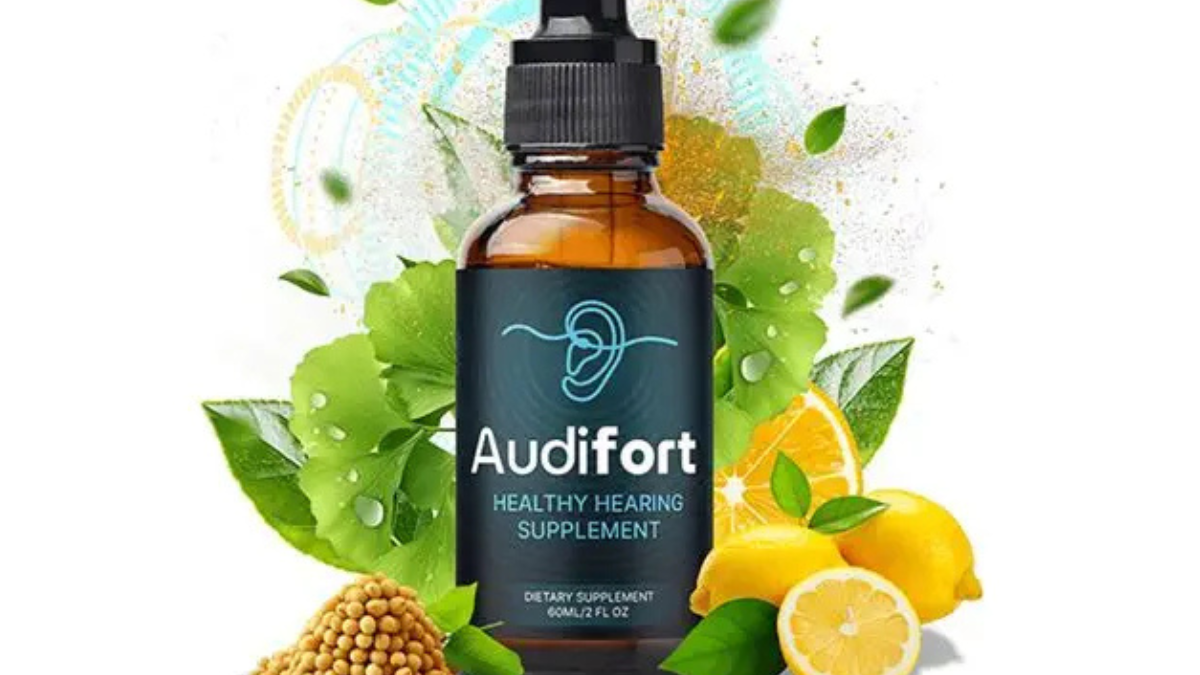
Aldifort Suplement
Audifort Reviews: An Honest, No-Hype Look at This Hearing Support Supplement
If you have spent any time scrolling through Facebook or YouTube lately, chances are an ad for Audifort has crossed your screen. The pitch is almost always the same: a natural, plant-based liquid or capsule formula that promises to quiet ringing ears, sharpen hearing, and support brain focus, all without drugs or invasive treatment.
It is a compelling story, especially if you or someone you love has been dealing with tinnitus or gradual hearing decline for years. But before you reach for your credit card, it is worth slowing down and looking at what Audifort actually is, what its marketing claims, and what independent evidence and consumer research actually show.
This article is not a sales page. It will not tell you that Audifort is a miracle cure, and it will not tell you to avoid it either. Instead, the goal is to walk through the ingredients, the business model behind Audifort, the red flags that
show up repeatedly across supplement review sites, and the practical steps you should take if you are still considering trying it. Along the way, we will also cover what real audiology research says about supporting hearing health, so you can make a decision based on facts rather than a well-produced ad.
What Is Audifort and Why Is It Suddenly Everywhere?
Audifort is a dietary supplement marketed as a natural hearing support formula. Depending on which version of the sales page you land on, it is sold either as a dropper-bottle liquid or as capsules, typically described as
containing a blend of more than twenty plant extracts, vitamins, and minerals. The product is promoted almost exclusively through affiliate marketing networks and paid advertising, which explains why so many “reviews” of
Audifort read like sales copy rather than independent journalism. It is sold directly through an official website rather than through pharmacies or major retailers like Amazon or Walmart, and payments are typically processed through an affiliate marketplace rather than the company’s own merchant account.
That distribution model is not automatically a red flag on its own; plenty of legitimate supplement brands sell direct-to-consumer to control quality and pricing. However, it does mean that almost everything you read about Audifort online, including glowing testimonials, star ratings, and “investigative” reviews, originates from sources
that earn a commission when you buy. Understanding this incentive structure is the single most important piece of context before evaluating any Audifort review you come across, because it explains why the tone of most content is enthusiastic rather than critical.
Audifort Ingredients: What Is Actually Inside the Formula
One of the more consistent claims across Audifort marketing materials is that the formula includes ingredients such as maca root, grape seed extract, green tea extract, Ginkgo biloba, GABA, zinc, magnesium, and vitamin
B12. Individually, several of these compounds have been studied in legitimate research, though rarely in the specific context of reversing tinnitus or restoring hearing loss. Here is a more grounded look at what the science actually supports:
- Ginkgo biloba has been studied for circulation and antioxidant effects, and some smaller trials have explored its use for tinnitus, but systematic reviews describe the evidence as inconsistent and generally weak.
- Zinc and magnesium play a documented role in nerve function and cellular metabolism, and deficiencies in either have been associated with hearing changes in some studies, but supplementing beyond a normal dietary intake has not been shown to reverse existing hearing loss.
- Vitamin B12 supports nerve health broadly, and deficiency has been linked to tinnitus in some populations, but this applies specifically to people who are deficient, not to the general population.
- GABA and green tea extract are more commonly associated with relaxation and antioxidant activity than with any direct auditory mechanism, despite marketing language that frames them as targeting “auditory nerve repair.”
The pattern here is important to notice. Nearly every ingredient in Audifort has some legitimate research behind it in a general nutritional or circulatory context. What does not exist is a clinical trial on the finished Audifort
formula itself, tested in real patients with tinnitus or hearing loss, published in a peer-reviewed journal. This is a common and important distinction in the supplement industry: individual ingredients having research does not
mean the specific combination, at whatever undisclosed doses are used, has been proven to work the way the marketing describes.
The Biggest Red Flags Worth Knowing Before You Buy Audifort
Search results for Audifort produce an unusually polarized mix of content. Some sites call it a legitimate, GMP-certified supplement backed by thousands of satisfied customers. Others call it an outright scam with fake
doctor endorsements and unverifiable testimonials. Both extremes appear so frequently that it is worth treating each with caution. That said, several recurring patterns are worth flagging for anyone doing their own research on Audifort:
- Vague or shifting ingredient dosages. Marketing pages describe “over 20 natural ingredients” without publishing a full supplement facts panel with exact milligram amounts, which makes it impossible to compare Audifort against clinically studied dosages used in actual research.
- No independent clinical trial on the finished product. As noted above, this is standard across the hearing-supplement category, but it is still a meaningful limitation that sales pages tend to downplay or omit entirely.
- Aggressive urgency tactics. Countdown timers, “limited stock” banners, and steep discounts for bulk purchases are common persuasion techniques designed to prevent you from comparison shopping or sleeping on the decision.
- A flood of near-identical “review” articles. Many Audifort reviews online are affiliate content published within days of each other, reusing the same testimonials and statistics, which suggests coordinated content marketing rather than independent evaluation.
- Counterfeit listings on third-party marketplaces. Multiple sources report fake or expired Audifort bottles being sold on Amazon and eBay, which the official seller uses as a reason to justify selling exclusively through its own site.
None of these points alone proves that Audifort does not work. But together, they describe a marketing environment built to accelerate a purchase decision rather than support an informed one. If a product genuinely works, it should hold up under scrutiny, transparent labeling, and time, without needing urgency tactics to close the sale.
Is Audifort a Scam, or Just an Aggressively Marketed Supplement?
This is the question most people actually want answered, and the honest response is that it depends on what you mean by “scam.” If you are asking whether Audifort will charge your card once, ship a real bottle of capsules
or liquid containing the ingredients listed on the label, and honor a refund request within its stated guarantee window, the available evidence suggests that in most cases, yes, it does. Complaints about unauthorized
recurring billing are rare relative to complaints about slow results or shipping delays, which is a meaningfully different problem than a fraudulent operation.
However, if you are asking whether Audifort will reliably restore hearing loss or eliminate tinnitus the way many ads imply, that is a much harder claim to stand behind. No dietary supplement, including Audifort, can regenerate damaged cochlear hair cells, which is the actual physical cause of most permanent hearing loss.
Marketing language that talks about “auditory nerve repair” or a “90-day biological repair window” is designed to sound scientific, but it does not reflect an established, peer-reviewed mechanism. The most accurate summary
is that Audifort is a legally operating dietary supplement business using inflated, emotionally persuasive marketing language, which puts it in a large and common category rather than a unique one.
What Real Evidence Says About Supporting Hearing Health
Stepping away from Audifort specifically, it is worth understanding what actually helps preserve and support hearing, according to organizations like the National Institute on Deafness and Other Communication Disorders and the Mayo Clinic. Age-related and noise-induced hearing loss are caused primarily by physical damage to
hair cells in the inner ear, and once those cells are gone, current medical science cannot regrow them, regardless of what any supplement claims. This is the single most important fact missing from most Audifort marketing.
That said, there are genuinely useful, evidence-backed steps for protecting the hearing you still have and managing tinnitus symptoms:
- Limit exposure to loud noise and use hearing protection during concerts, power tool use, or other high-decibel activities, since cumulative noise exposure is one of the largest preventable causes of hearing decline.
- Manage cardiovascular health. Because the inner ear depends on small, delicate blood vessels, conditions like high blood pressure and diabetes that affect circulation elsewhere in the body can also affect hearing over time.
- Get a professional hearing evaluation from an audiologist rather than guessing, since tinnitus can sometimes signal an underlying issue like earwax buildup, medication side effects, or a treatable ear condition.
- Consider sound therapy or cognitive behavioral therapy for tinnitus, both of which have meaningfully more clinical research behind them than most dietary supplements marketed for the same symptom.
- Review your medications with a doctor, since several common drugs are ototoxic and can worsen tinnitus or hearing loss as a side effect.
Compare this list to what a supplement like Audifort promises, and the gap becomes clear. Real hearing health support is often less exciting than a bottle labeled “20+ natural ingredients,” but it is grounded in decades of clinical research rather than a sales funnel.
It also helps to understand why tinnitus specifically responds so well to sound and behavioral therapy but so poorly to supplements. Tinnitus is not always caused by damage you can feed nutrients toward; in many cases it results from the brain’s auditory processing centers adapting to reduced input by generating phantom sound.
This is a neurological adjustment issue as much as a physical one, which is why approaches like tinnitus retraining therapy, white-noise masking, and cognitive behavioral therapy have measurable success rates in
clinical studies, while a general-purpose vitamin and herb blend like Audifort has no comparable body of evidence behind it for this specific mechanism.
Practical Steps If You Are Still Considering Trying Audifort
If, after reading all of this, you still want to try Audifort, that is a reasonable personal decision, especially given the refund policy most versions of the product advertise. But go in with a strategy rather than an impulse click. A few practical tips can meaningfully reduce your risk:
- Buy only from the official Audifort website if you decide to purchase, since third-party listings carry a documented risk of counterfeit or expired product that will not qualify for a refund.
- Screenshot the order page and guarantee terms at the time of purchase, since promotional pages and pricing can change, and you will want proof of what was promised if you request a refund later.
- Set a calendar reminder near the end of the guarantee window so you do not miss your refund deadline while waiting to see if results improve.
- Track your symptoms in a simple journal before and during use, noting tinnitus intensity, sleep quality, and any side effects, since memory alone is an unreliable way to judge whether a supplement is helping.
- Talk to your doctor first if you are pregnant, on blood pressure medication, or managing any chronic condition, since ingredients like Ginkgo biloba and green tea extract can interact with certain medications.
- Do not stop or delay medical treatment for hearing loss or tinnitus while trying Audifort, since supplements should complement, not replace, professional care.
Treating any hearing supplement, Audifort included, as a low-cost experiment with a clear exit plan is a far healthier approach than treating it as a guaranteed fix. Your ears, and your wallet, will both benefit from that mindset.
Audifort Pricing and the Business Model Behind the Guarantee
Audifort is typically sold in tiered bundles, with single bottles priced noticeably higher per unit than three or six bottle packages. This pricing structure is common across the direct-to-consumer supplement industry and is
designed to nudge buyers toward larger purchases under the logic of “better value.” The refund policy advertised alongside Audifort, often ninety days, is genuinely longer than what most retail supplements offer,
and a longer window does suggest some level of confidence from the seller. Still, a generous guarantee is not the same thing as clinical proof, and it is worth remembering that return policies exist as a customer-retention tool as much as a trust signal.
Before buying multiple bottles up front to chase a discount, it is worth ordering the smallest available quantity first, even at a higher per-bottle price, simply to confirm the product arrives as described and that you tolerate it
well. Committing to a six-bottle bundle before you have taken a single dose of Audifort adds financial risk on top of the uncertainty already built into any unproven supplement.
It is also worth understanding how the payment is typically processed. Audifort, like many supplements sold through affiliate marketing funnels, is often billed through a third-party payment processor rather than the
manufacturer’s own merchant account. This is common practice and not inherently suspicious, but it does mean that if you ever have a billing dispute, you may be dealing with that processor’s customer service team rather
than Audifort directly. Keep your order confirmation email, the exact amount charged, and the date of purchase in one place, since these details make any future refund or chargeback conversation considerably faster and less frustrating.
Weighing the Decision for Yourself
At the end of the day, deciding whether to try Audifort comes down to your own risk tolerance, your specific hearing concerns, and how much weight you put on anecdotal testimonials versus clinical evidence. Some
people report subjective improvement in tinnitus perception or general well-being while using supplements like this, and placebo effects, improved sleep, or simply paying closer attention to lifestyle factors during a trial
period can genuinely produce that feeling of improvement. Others spend months and multiple bottles with no noticeable change. Both experiences are consistent with how an unproven, general-nutrition supplement would be expected to perform.
What matters most is that you do not let marketing language substitute for a real hearing evaluation. If your hearing has changed noticeably, or if tinnitus is affecting your sleep, concentration, or mood, that is worth a
conversation with an audiologist or physician regardless of whether you also decide to try Audifort. A supplement, at best, is a supporting player. It should never be the only tool in your plan for protecting something as important as your hearing.
One last thing worth keeping in mind: the hearing supplement category as a whole, not just Audifort, tends to follow the same playbook. Similar products with different brand names often use nearly identical language
about “root causes,” nerve repair, and limited-time discounts, which suggests a shared marketing template rather than genuinely distinct formulas. If you find yourself comparing Audifort against two or three competitors and
the sales pages read almost word for word the same, that is a useful signal in itself. It does not necessarily mean any of them are fraudulent, but it does mean the marketing language should carry less weight in your decision than the ingredient list, the price, and the refund terms.
Have you tried Audifort or a similar hearing support supplement yourself? What was your experience with the ordering process, the results, or the refund policy? Have you found other evidence-based strategies that helped
with tinnitus or hearing changes? Share your story in the comments below, since real reader experiences are often more useful to future visitors than another sales page ever could be.
Frequently Asked Questions About Audifort
Is Audifort FDA approved?
No. No dietary supplement, including Audifort, receives FDA approval, because the FDA only approves drugs and medical devices. Audifort is manufactured in an FDA-registered facility, which refers to the facility meeting basic safety and hygiene standards, not that the product itself has been evaluated for effectiveness.
Can Audifort cure tinnitus or reverse hearing loss?
There is no independent clinical evidence that Audifort or any similar supplement can reverse hearing loss caused by damaged inner ear hair cells. Some ingredients may support general nerve and circulatory health, but that is different from restoring lost hearing.
How long does it take to see results from Audifort?
Marketing materials typically suggest four to twelve weeks of consistent use before noticing changes, with full effects claimed after several months. Because there is no independent clinical trial confirming a timeline, these figures should be treated as manufacturer estimates rather than proven benchmarks.
Where is the safest place to buy Audifort?
If you decide to purchase, buying directly through the official Audifort website is generally safer than third-party marketplaces, where counterfeit and expired listings have been reported and typically will not qualify for a refund.
Are there side effects associated with Audifort?
Reported side effects are generally described as mild, including occasional stomach upset or headache in the first week of use. Anyone with existing health conditions, who is pregnant, or who takes prescription medication should consult a doctor before starting Audifort or any new supplement.
Is Audifort worth trying?
That depends on your expectations. If you view it as a low-risk experiment backed by a refund window, and you continue pursuing proper medical evaluation alongside it, trying Audifort carries limited downside. If you expect it to replace medical care or guarantee restored hearing, it is likely to disappoint you.