

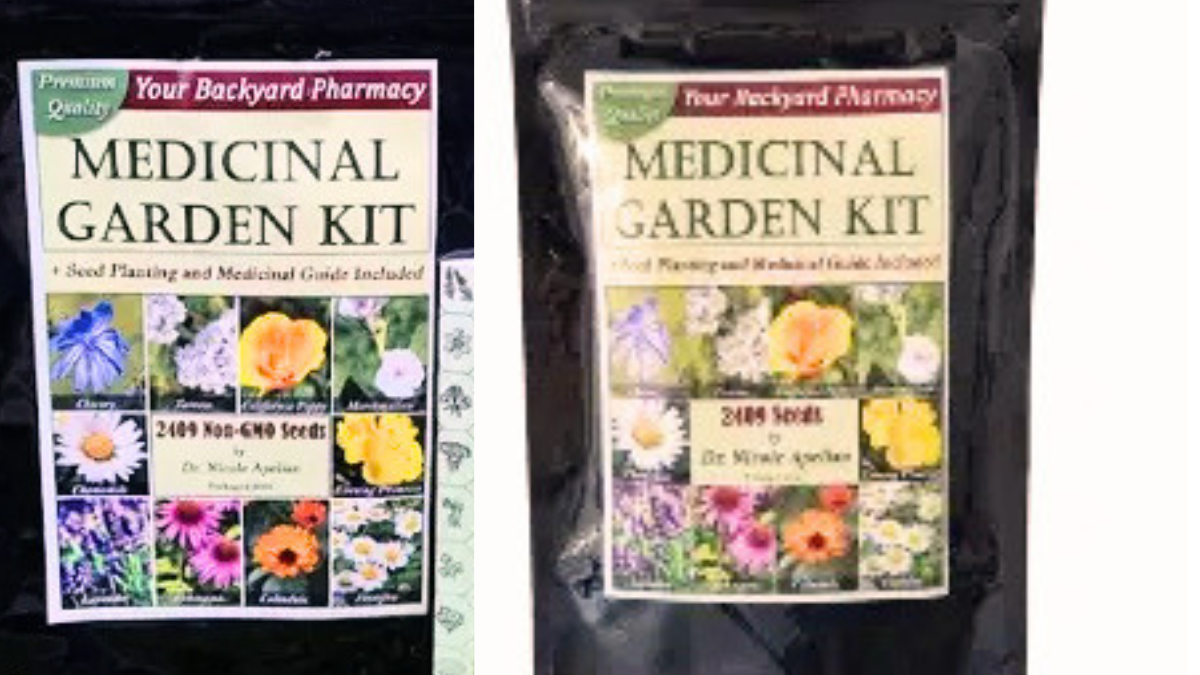
Medicinal Garden Kit
Medicinal Garden Kit: The Complete Guide to Growing Healing Plants at Home
If you’ve ever looked into taking more control over your own health and wellness, chances are you’ve come across the idea of putting together a medicinal garden kit at home. This isn’t just a passing trend: more and
more people are realizing that having quick access to plants like mint, chamomile, boldo, and aloe vera makes a real difference in everyday life, whether it’s easing a headache, calming anxiety before bed, or treating a small kitchen burn.
A medicinal garden kit is essentially an organized set of seeds, seedlings, potting soil, and instructions for growing plants with proven therapeutic properties, whether in pots on a balcony, a hanging garden, or a small
bed in the backyard. In this article, I’ll share practical tips, tested by people who’ve actually built and maintained this kind of setup, so you can avoid the common pitfalls that make beginners give up after just a few weeks.
What a Medicinal Garden Kit Actually Is and Why It’s Worth the Investment
In practice, a medicinal garden kit brings together everything you need to get started without having to hunt down every item separately. It usually includes selected seeds, identification labels, appropriate soil, and a
manual with planting, light, and watering guidelines for each species. Some of the more complete kits also come with biodegradable pots or drip irrigation modules, designed for people who don’t have much free time during the week.
The main advantage over buying individual seedlings is the curation: someone has already figured out which plants pair well together, which ones share similar sun and water needs, and the best time to plant them in your
area. That significantly shortens the learning curve, especially if you’ve never grown anything beyond a succulent on a shelf. On top of that, most kits sold today already include low-maintenance plants, ideal for beginners who want to see visible results within the first few weeks.
How to Choose the Best Medicinal Garden Kit for Your Space
Before buying any ready-made kit, it’s essential to assess the space you actually have available. A small apartment with a balcony that gets morning sun calls for a different set of plants than a backyard with direct sun
all day long. Getting this step wrong is the main reason people end up frustrated: partial-shade plants, like lemon balm, wilt quickly when exposed to strong afternoon sun, while species that need full light, like rosemary, end up weak and leggy in indoor environments with limited brightness.
Another detail that often gets overlooked is your local climate. A medicinal garden kit designed for temperate regions may not work well in tropical areas with high humidity, since some medicinal plants are prone to fungal
issues when the air stays damp for long stretches. Before finalizing your purchase, it’s worth checking whether the supplier specifies a recommended climate zone or offers support for adapting the setup to your particular conditions.
To make that decision easier, consider the following criteria when comparing the options available on the market:
- Quantity and variety of species included in the kit
- Quality of the soil mix and whether it’s ready to use straight away
- Whether a detailed manual with a planting calendar is included
- Compatibility of the plants with your region’s climate
- Space required for the full setup (indoor, balcony, or backyard)
Essential Plants Every Medicinal Garden Kit Should Include
Not every medicinal garden kit is created equal, and knowing which species stand out helps you judge whether the set you’re considering actually delivers value. Some plants are favorites for a reason: they’re easy to grow, offer multiple therapeutic uses, and adapt well to different climates and soil types.
Mint, for example, is practically indestructible and helps with digestion, plus it makes for a relaxing tea. Chamomile is another favorite, known for its calming properties and gentle enough for people with sensitive
stomachs. Boldo, a traditional remedy in Brazilian culture, is often used for digestive discomfort, while aloe vera works like a genuine home first-aid kit for minor burns and skin irritation.
A simple, functional starting list includes:
- Mint — digestive and refreshing, grows fast in almost any pot
- Chamomile — a natural calming agent, great for evening tea
- Aloe vera — healing and soothing, needs very little watering
- Rosemary — supports circulation and doubles as a cooking herb
- Lemon balm — mildly calming, ideal for restless nights
- Boldo — helps digest heavier meals
Keep in mind that a well-designed medicinal garden kit should balance easy-care plants with one or two more challenging species, so you gradually build your growing skills instead of feeling overwhelmed right from the start.
Step-by-Step: How to Build Your Own Medicinal Garden Kit at Home
If you’d rather put together your own set instead of buying a pre-made one, the process isn’t complicated, but it does take some organization. The first step is picking a fixed spot with at least four to six hours of direct or strong
indirect sunlight, since most medicinal plants need that minimum to develop the essential oils and active compounds that make them useful in the first place.
Next, choose pots with proper drainage holes — medicinal plants tend to suffer more from too much water than from too little. A light soil mix, with a good ratio of sand or perlite blended into the potting soil, prevents roots
from sitting in water. If you live in an apartment, self-watering pots are a great option for keeping moisture levels steady without demanding daily attention.
To build your own set from scratch, follow this practical sequence:
- Choose between three and five starter plants suited to your local climate
- Pick pot sizes appropriate for each species
- Prepare a well-draining soil mix
- Plant established seedlings rather than seeds if you want faster results
- Position each pot according to its specific light requirements
- Set up a fixed watering routine, adjusting it as the seasons change
Building a custom medicinal garden kit takes more upfront effort than buying a ready-made one, but it lets you tailor everything to your specific needs, whether you’re prioritizing calming plants, digestive ones, or healing ones based on what your routine actually calls for.
Care and Maintenance Tips to Keep Your Medicinal Garden Kit Thriving
Keeping a medicinal garden kit healthy depends far less on luck than on consistency. Most of the problems beginners report — yellowing leaves, slow growth, recurring pests — trace back to irregular watering or poor-quality soil, not a lack of a “green thumb.”
Water preferably in the morning, avoiding direct contact with the leaves, since that encourages fungal growth, especially in more humid climates. Test the soil’s moisture with your finger before watering: if the top two
centimeters feel dry, it’s time to water; if there’s still moisture, wait another day. This simple habit prevents the most common beginner mistake, which is overwatering out of sheer good intentions.
Regular pruning matters too. Trimming the tips of plants like mint and basil encourages lateral growth, making the plant sturdier and more productive. Fertilizing, on the other hand, should be done sparingly — an organic fertilizer every 30 to 45 days is usually enough for most medicinal species, which generally prefer less nutrient-rich soil than conventional vegetables do.
Common Mistakes People Make With a Medicinal Garden Kit (and How to Avoid Them)
A frequent mistake is treating every plant in the kit the same way, ignoring that each species has its own requirements for sun, water, and soil. This usually happens when someone sets up a single care routine for the entire collection, thinking it saves time, when in reality it ends up hurting the development of half the plants.
Another common slip-up is harvesting plants too early, before they’ve had a chance to fully establish themselves. This weakens the root system and reduces the concentration of the active compounds that make
the plant useful for therapeutic purposes in the first place. It’s best to wait until the plant has a solid amount of foliage before the first harvest, typically between six and eight weeks after planting.
Here are a few other missteps that hold back your setup’s performance:
- Using pots without drainage holes, which leads to root rot
- Ignoring early signs of pests, when control is still easy
- Planting incompatible species right next to each other in the same bed
- Skipping plant labels, which causes confusion at harvest time
- Not researching contraindications before consuming any medicinal plant
Real Benefits of Keeping a Medicinal Garden Kit at Home
Beyond the obvious access to teas and home remedies, growing your own medicinal garden kit brings benefits that go well beyond physical health. Regularly caring for plants has been linked to lower stress levels and a greater sense of purpose day to day, something a lot of people report feeling within the very first weeks of growing.
There’s also an economic angle: buying fresh herbs or store-bought teas every week costs more over time than maintaining a small home garden. And there’s a quality gain too, since you know exactly how the plant was grown, with no pesticides or industrial processing standing between cultivation and consumption.
For families with kids, a medicinal herb garden at home also works as a hands-on educational tool, teaching botany, sustainability, and the origins of natural remedies in a practical way — knowledge that’s becoming
increasingly rare in urban routines. If you’d like to dig deeper into evidence-based herbal medicine, it’s worth checking sources like the World Health Organization, which compiles research on the safe use of medicinal plants.
How to Adapt Your Medicinal Plant Growing for Each Season
One detail many guides overlook is how a medicinal garden kit needs adjustments depending on the season. In summer, watering usually needs to happen more often, but at times that avoid the harsh midday sun, since
water droplets can act like tiny magnifying glasses and scorch the leaves. In winter, growth naturally slows down, and watering less is actually the right call — a lot of people keep the same summer frequency and end up drowning the roots.
Spring is the best time to move larger seedlings into their permanent pots and to start new seed trays, taking advantage of the natural increase in daylight. In fall, the focus should shift to preparing perennial plants for
colder weather, cutting back on nitrogen-heavy fertilizer and prioritizing protection from strong winds, which quickly dry out thin-leafed plants like lemon balm and mint.
Frequently Asked Questions About Medicinal Garden Kits
Does a medicinal garden kit work in any climate?
Not necessarily. While many medicinal plants are fairly adaptable, it’s important to check whether the species included in the kit match your region’s climate zone, since temperate-climate plants may not thrive in tropical areas and vice versa.
Do I need prior experience to get started?
No. Most kits sold today are actually designed with beginners in mind, featuring low-maintenance plants like mint, aloe vera, and chamomile that tolerate small watering and care mistakes reasonably well during the first few weeks.
How long before I see the first results?
It depends on the species, but generally you can expect your first harvest between six and eight weeks after planting, especially when the kit comes with partially developed seedlings rather than just seeds.
Is it safe to consume any plant from my medicinal garden?
No. Even popular plants can have contraindications for pregnant women, people with certain health conditions, or those taking specific medications. Always research thoroughly and, whenever possible, talk to a healthcare professional before regularly incorporating any medicinal plant into your routine.
Is it better to buy a ready-made kit or build my own?
Both options have their advantages. A ready-made kit saves research time and comes with already-tested curation, while building your own medicinal garden kit allows for full customization of the species you choose, which is especially appealing if you already have some gardening experience.
So, have you thought about building your own medicinal garden kit at home? Let us know in the comments which plants you’d most like to grow, or share any experience — good or bad — you’ve had trying to maintain a
medicinal herb garden. If you’re already growing any of these plants, share your tips — they could help someone who’s just getting started!